Judge Blocks DOJ Bid for Names of 2020 Fulton County Election Workers

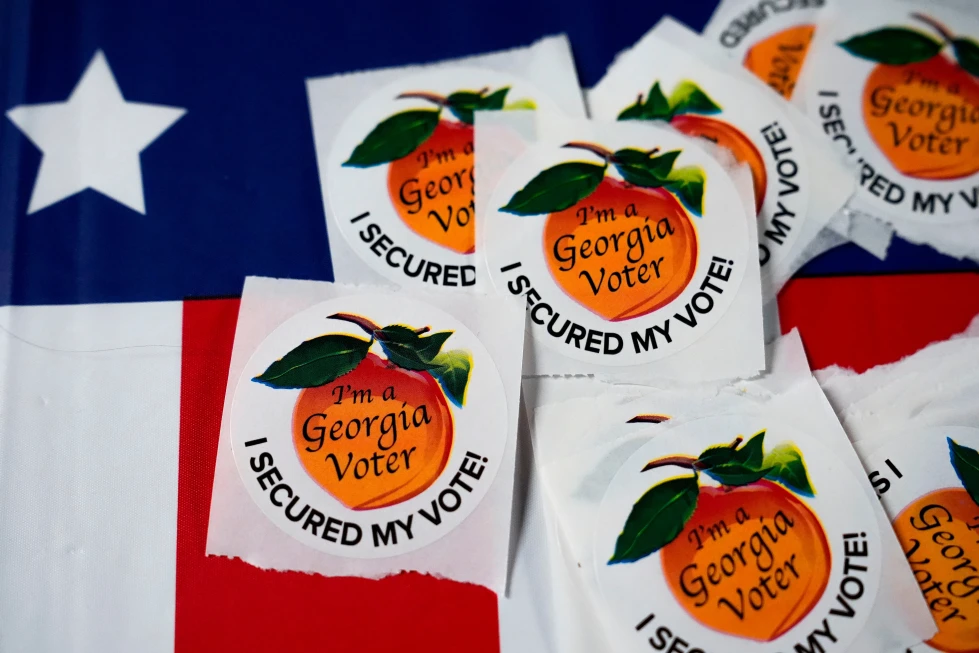
A federal judge on Tuesday rejected the Justice Department’s attempt to obtain the names and personal contact information of every person who worked during the 2020 election in Fulton County, Georgia, ruling the subpoena was unreasonable, overbroad, and could not serve any legitimate law enforcement purpose.
Subpoena Sought Names of All County Election Workers
The Justice Department obtained a grand jury subpoena in April seeking identifying information for county employees and volunteer poll workers who served during the 2020 presidential election. President Donald Trump has long claimed without evidence that widespread voter fraud in Fulton County — Georgia’s most populous and a Democratic stronghold — cost him the state in 2020.
Fulton County moved to quash the subpoena, arguing it was designed to “target, harass and punish the President’s perceived political opponents” and was “grossly overbroad and untethered to any reasonable need.”
Judge Finds Request “Staggering” in Scope
US District Judge William Ray sided with the county, calling the scope of the request “staggering” and ruling that the low need for the information did not justify the burden and privacy implications of disclosing it.
“Given the low need for the subpoenaed information and the highly burdensome nature of the disclosure of the same, the Subpoena is unreasonable and must be quashed,” Ray wrote.
Ray also noted a fundamental legal obstacle: even if the requested records helped identify election workers who supported theories of a stolen election, any resulting information could not be used to bring charges. “That is because the statute of limitations for any possible crime arising from the 2020 Election has long expired,” he wrote.
Grand Jury Power Cannot Be Misused, Judge Warns
Ray’s ruling drew a firm line around the limits of grand jury authority, warning that allowing such a subpoena would set a dangerous precedent regardless of political affiliation. “While grand juries often work with federal prosecutors to investigate alleged crimes, that does not give the DOJ the right to use the Grand Jury to do whatever the DOJ wants,” he wrote.
He added that anyone in power could theoretically use the grand jury process to subpoena private citizen information “with no legitimate law enforcement purpose” if courts did not apply this standard. “Thus, everyone, whether you support the President or you do not, or whether you believe the 2020 Election was fair or believe that it was not, should be concerned about the DOJ’s ability to utilize the power of the Grand Jury to appropriate your private information without a legitimate purpose,” Ray wrote.
DOJ Argued Statute of Limitations Not Yet Relevant
Justice Department lawyer William McComb had argued that the statute of limitations question was premature at the investigative stage, since the point of the subpoena was to determine what charges might be viable — not to file them. “As we sit here now, we are not sure what charges can be brought. That’s the whole point of the investigation,” McComb said. He described the contact information request as “a pathway to determine and speak with and interview certain individuals who worked at the polls who may have seen, heard or done something.”
Context: FBI Seizure of Ballots Earlier This Year
Tuesday’s ruling comes months after the FBI served a search warrant on the Fulton County DOJ election workers subpoena investigation in January, seizing hundreds of boxes of ballots and other documents from the 2020 election from the county’s election hub. A federal judge in May denied the county’s request to have those ballots returned.
Ray acknowledged the Justice Department had raised concerns about possible criminal actions in the years following the election, including an alleged failure to preserve electronic ballot images, but noted the subpoena was focused on what happened during and immediately after the election itself — well past any applicable statute of limitations.
Author: Staff Writer | Edited for WTFwire.com | SOURCE: AP News
: 227