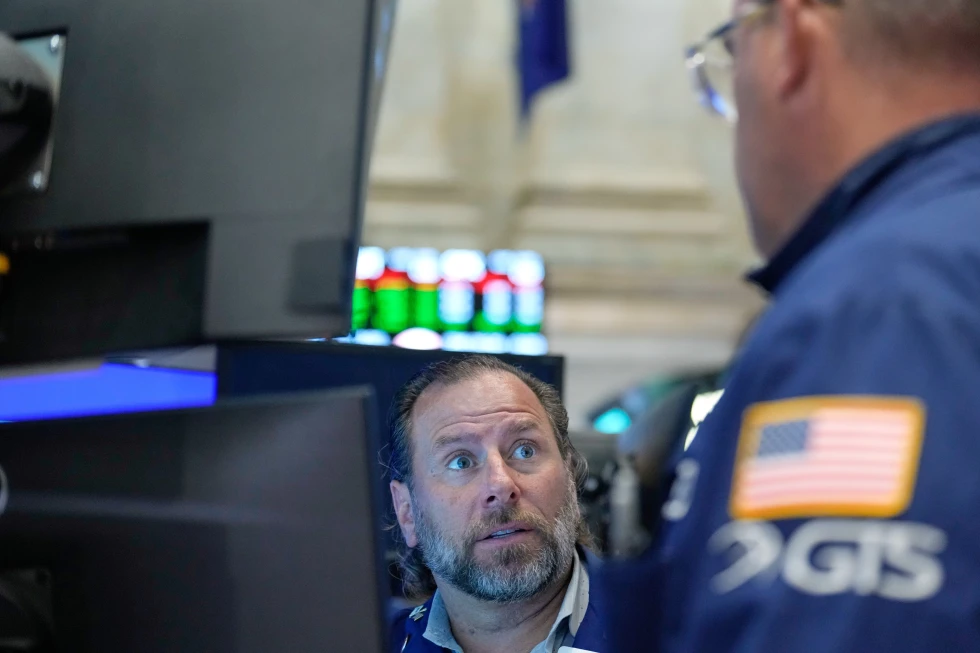
US Consumer Confidence Falls as Iran War Sends Gas Prices Higher

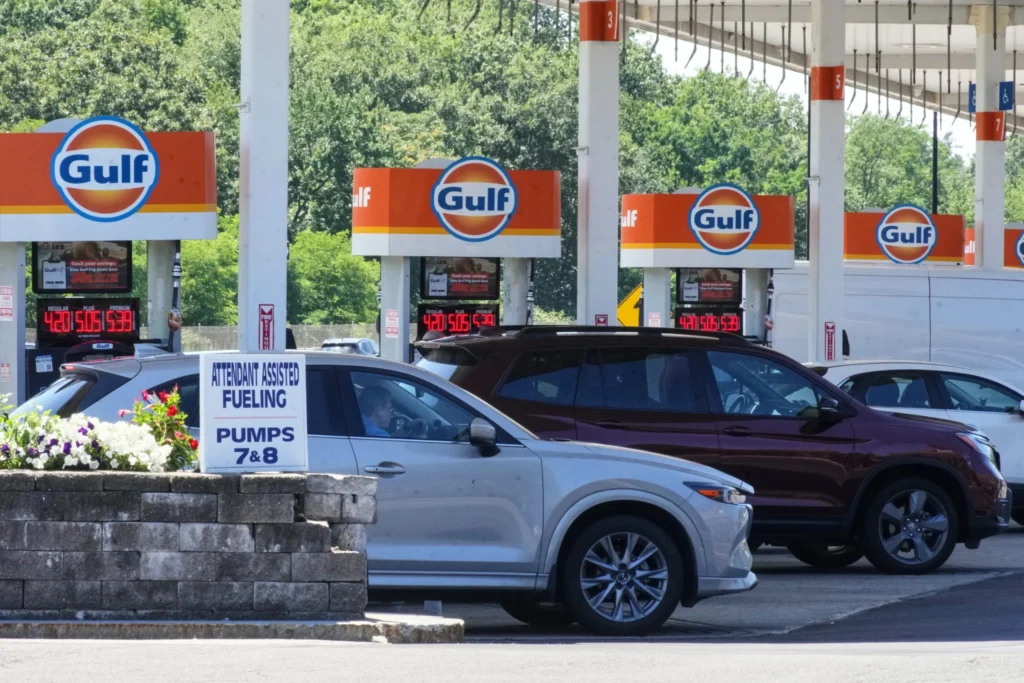
US consumer confidence declined in July as gas prices resumed their climb following renewed military escalation between the United States and Iran, keeping Americans in a persistently sour mood about the economy with the midterm elections now fewer than 100 days away.
Confidence Slips Back Toward Year’s Lows
The Conference Board reported Tuesday that its consumer confidence index fell to 90.8 in July from 92.2 in June — a modest but meaningful reversal of the modest improvement recorded last month. The reading is roughly in line with where sentiment has been all year, well below the readings above 100 seen in late 2024 and early 2025 before the Iran war began.
Consumer attitudes had improved in June as the average national gas price fell from more than $4.50 a gallon in late April and early May to around $3.70. But as fighting in the Middle East intensified through July, prices at the pump climbed again. The national average stood at $4.10 per gallon Tuesday, according to AAA.
Five Years of Elevated Prices Have Taken a Toll
The US consumer confidence July 2026 Iran war gas prices reading reflects a deeper and more lasting frustration. Americans have endured five consecutive years of elevated inflation, and food costs in particular have compounded the strain. Government data shows that buying groceries has become 33% more expensive since the start of 2019. Ground beef — which many Americans view as a barometer of out-of-control food prices — reached $6.82 per pound in June, up 79% from early 2019 levels.
Write-in responses to the Conference Board’s survey, collected July 1 through July 22, showed that references to gas prices remained elevated even as they edged slightly lower, while mentions of food and grocery prices increased. References to war and geopolitics declined somewhat — but the Board noted that the recent escalation in US-Iran fighting is likely to drive those mentions higher in the August survey.
Labor Market Concerns Also Weigh on Sentiment
Views of the current job market softened in July, though expectations for the labor market six months ahead improved modestly, remaining in negative territory. The job market data has given Americans little reassurance: employers added just 57,000 jobs in June — less than half of May’s total — though the unemployment rate edged down to 4.2%, largely because more workers stopped looking for jobs and exited the labor force count.
Political Stakes as Midterms Approach
The persistent economic pessimism poses a political risk for President Donald Trump and Republicans. Annual inflation currently stands at 3.5% — higher than the 3% rate when Trump took office in January 2025, and well above the 2.4% level when the war with Iran began on February 28. Trump has continued to blame inflation on his predecessor, Democrat Joe Biden, even as prices have risen throughout his second term.
Author: Staff Writer | Edited for WTFwire.com | SOURCE: AP News
: 240