7th Death Confirmed in Manhattan Legionnaires’ Outbreak With 92 Cases

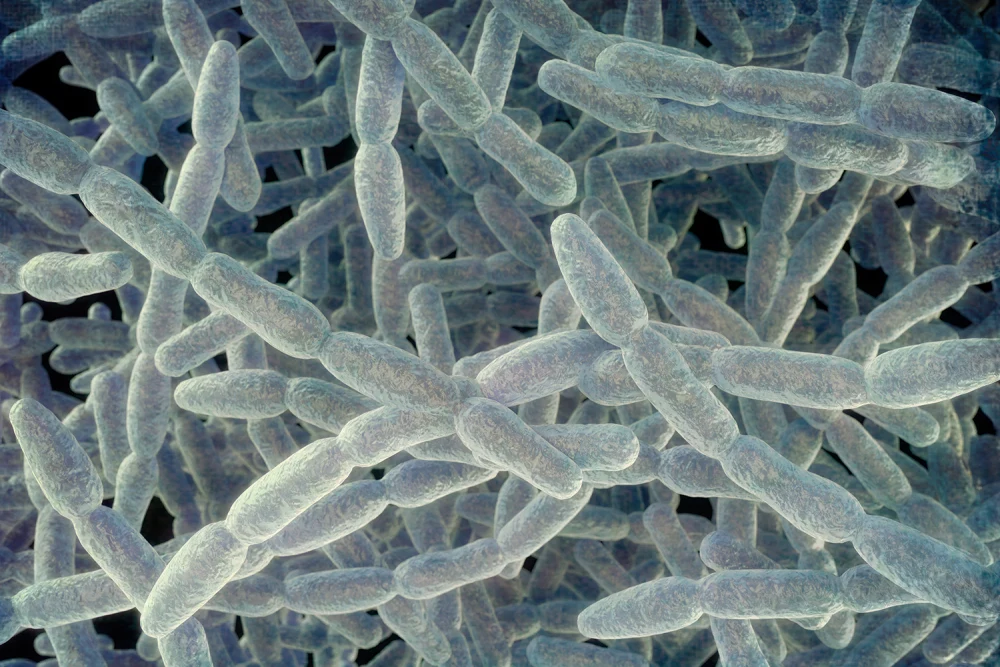
A seventh person has died from Legionnaires’ disease in a community outbreak on Manhattan’s Upper East Side, New York City health officials confirmed Thursday, raising the death toll in an outbreak that has sickened 92 people since it was first identified in early July.
Outbreak Overview
The Manhattan Legionnaires disease outbreak 2026 Upper East Side cluster has been concentrated in the Carnegie Hill and Yorkville neighborhoods, covering ZIP codes 10028, 10075, and 10128. Of the 92 confirmed cases, five patients remain hospitalized and 67 have been discharged. The city’s Health Department said the death toll has now reached seven with the latest confirmation.
Health Commissioner Dr. Alister Martin stressed that officials believe the source of Legionella exposure has been eliminated, noting that no one has reported new symptoms in at least two weeks. “At this time, we have inspected every cooling tower that has tested positive and will share more information soon on enforcement actions,” Martin said.
Cooling Towers Identified as Source
The city’s investigation identified 56 cooling towers at Upper East Side buildings that tested positive for Legionella bacteria — the pathogen responsible for Legionnaires’ disease, a severe form of pneumonia. Health officials said every culture-positive cooling tower has now been inspected and cleaned, though DNA testing to determine which specific tower or towers drove the outbreak could still take additional weeks to complete.
New daily case counts appeared to peak on July 7 before falling sharply, with no new cases reported since July 17 — a trend that has given officials confidence the source has been contained even before the full investigation concludes.
Second Deadly Manhattan Outbreak in Two Years
The Upper East Side outbreak is the second deadly Legionnaires’ cluster in Manhattan in two years. A similar outbreak in Harlem last year killed seven people and sickened more than 114. That cluster was traced to cooling towers at 10 buildings, including Harlem Hospital and other city-run facilities.
Legionnaires’ disease is not transmitted between people. It spreads when people inhale water droplets or mist contaminated with Legionella bacteria, typically from cooling towers, hot tubs, or large plumbing systems. Symptoms — including fever, cough, muscle aches, headache, and shortness of breath — typically develop between two days and two weeks after exposure. Anyone who visited the affected ZIP codes and develops flu-like symptoms is advised to seek medical attention promptly.
Author: Staff Writer | Edited for WTFwire.com | SOURCE: NBC News
: 241