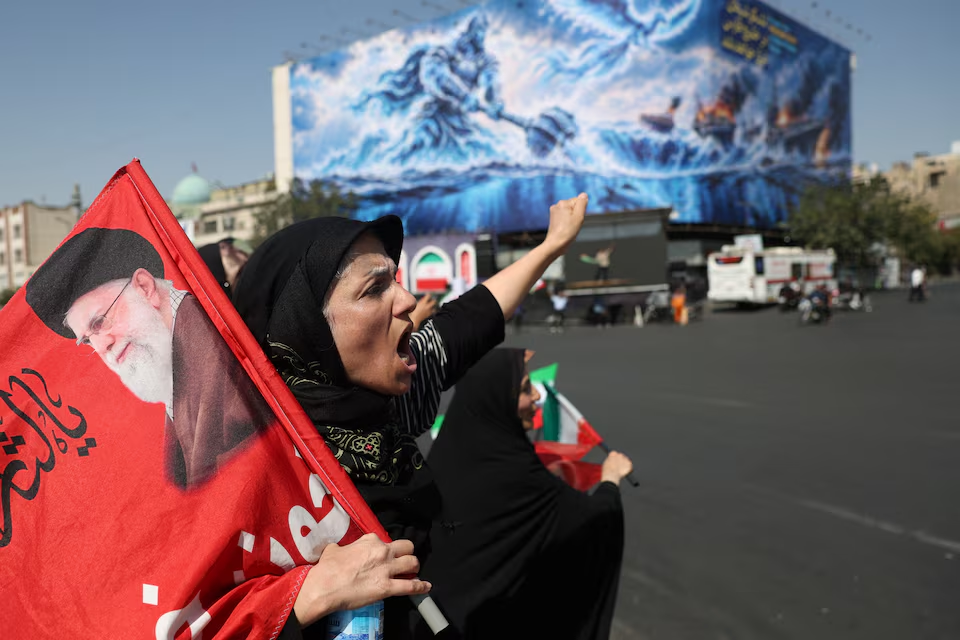
Trump Says US-Iran Talks Going Well, Hormuz Deal Expected Within Days

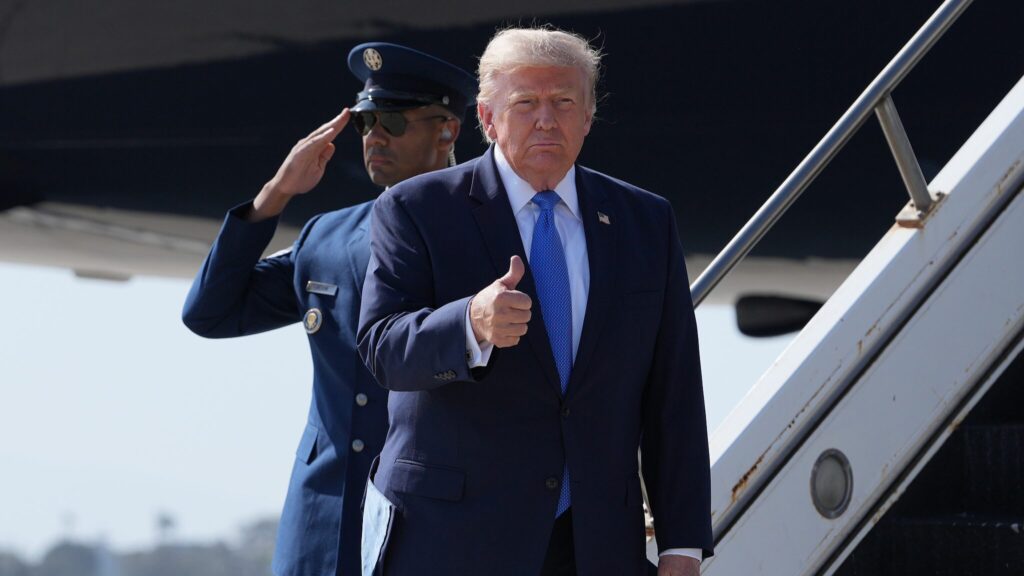
President Donald Trump said the United States and Iran conducted “very good discussions” during all-day negotiations Tuesday, fueling expectations of an imminent end to the five-month conflict and sending oil prices lower while stocks surged to fresh record highs.
All-Day Talks Raise Hopes of Breakthrough
“They had an all-day negotiation,” Trump told Fox News’ “@ Night” program Tuesday evening. The Strait of Hormuz “is going to be open very soon,” he added, warning that “if they back out again, they are going to get hit really hard.”
Speaking separately to reporters traveling with him in California, Trump said a Trump Iran talks Hormuz deal imminent ceasefire 2026 agreement “could happen tomorrow or the next day,” adding that “a lot of progress has been made.” Treasury Secretary Scott Bessent had earlier signaled similar optimism on CNBC, saying there was “a chance we may have a deal today or tomorrow to open the strait and move towards a more normalized position in this conflict.”
Qatar’s emir, Sheikh Tamim bin Hamad Al Thani, received a phone call from Trump later Tuesday in which both leaders discussed ways to de-escalate tensions and bridge differences between Washington and Tehran, according to the emir’s office.
Oil Falls, Markets Rally on Deal Hopes
Financial markets responded sharply to the diplomatic signals. Oil prices fell after Bessent’s remarks, with US crude dropping roughly 3% to below $78 per barrel. Asian markets extended the gains Wednesday, with stocks jumping overnight after Wall Street closed at record highs Tuesday — the S&P 500 gaining 1.79% to 7,736.52 and the Dow surging more than 900 points to 54,085.88.
Before the war began on February 28 with US and Israeli strikes on Iran, roughly 20 million barrels of oil per day passed through the Strait of Hormuz — about one-fifth of global supply. The waterway has been effectively closed for months, driving energy prices sharply higher and contributing to a resurgence in global inflation.
Emerging Deal Structure: Split Routes
Under the emerging framework being negotiated with Oman as intermediary, ships would enter the Persian Gulf through an Iranian-controlled inbound route and exit through a corridor controlled by Oman, with service fees charged for maritime security. Iran’s goal in the current talks is to establish temporary arrangements lasting up to three months, giving Tehran a formal role in managing the waterway while broader nuclear negotiations continue.
Secretary of State Marco Rubio said Tuesday there had been “progress made but not finality,” expressing hope an agreement “will happen very shortly.” He described the Hormuz reopening as “the immediate deal,” while describing Iran’s denuclearization as “the ultimate deal.”
Significant Human and Military Costs
The Reuters article underpinning Wednesday’s reporting includes some of the war’s starkest accounting yet. The UN’s International Maritime Organization has reported at least 17 seafarer deaths from 64 incidents in the Strait of Hormuz since February 28. Iran has reported more than 3,400 deaths since the war began — including 50 killed and 500 wounded by US strikes since hostilities renewed in late June, a figure that predates Iran’s confirmation that a US strike on Qeshm Island in late July killed a husband, wife, and their two-year-old son. The US military has reported 18 service members killed.
Separately, Reuters reported that the US Army has depleted most of its stockpile of Army Tactical Missile Systems and Precision Strike Missiles, and CNN reported that the US military has used nearly 80% of its interceptors for the THAAD missile defense system.
A Pattern of Optimism That Has Previously Failed to Deliver
Trump has repeatedly announced breakthroughs in Iran talks that subsequently collapsed. He declared the war “pretty much” over in early March, extended multiple ceasefire deadlines under last-minute pressure from Gulf mediators, and signed a memorandum of understanding in June that unraveled within weeks over the unresolved dispute about who controls the Strait of Hormuz. Whether Tuesday’s talks represent a genuine turning point or another step in an on-again, off-again diplomatic pattern will become clear in the coming days.
Author: Staff Writer | Edited for WTFwire.com | SOURCE: Reuters
: 728