S&P 500 and Dow Hit Records as Oil Falls on Hormuz Deal Hopes


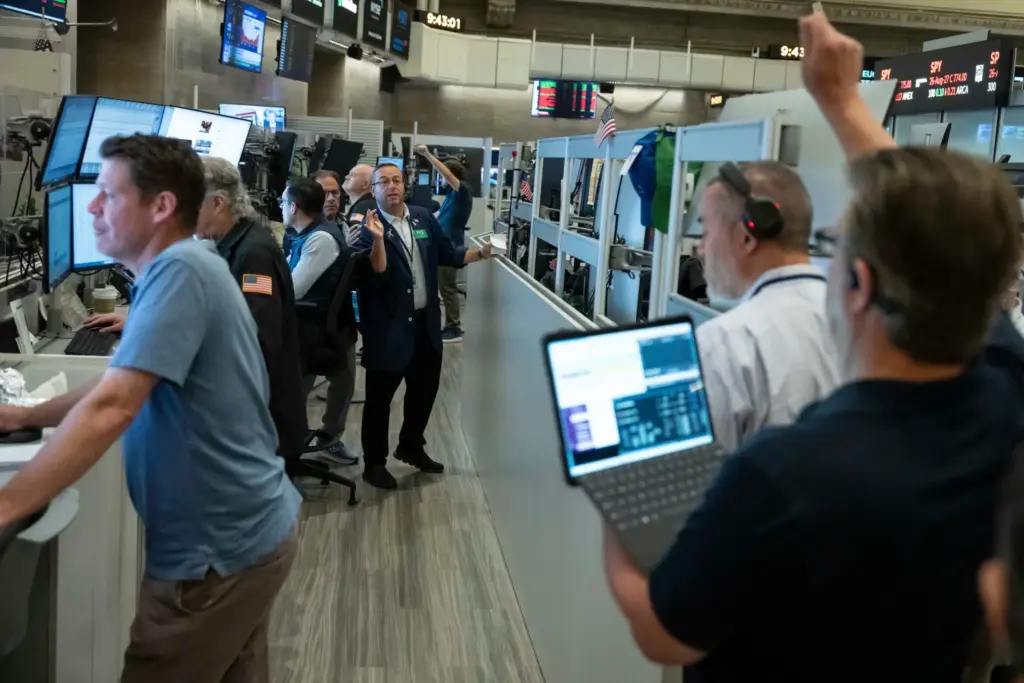
Wall Street surged to its best day in months Tuesday, with the S&P 500 and Dow Jones Industrial Average both closing at record highs, as oil prices tumbled after Treasury Secretary Scott Bessent said a deal to reopen the Strait of Hormuz could be reached within days.
Record Closes Across Major Indexes
The S&P 500 gained 1.79%, closing at a record 7,736.52 — its first record close since June. The Dow surged 907 points, or 1.71%, to end at 54,085.88, also a record, led by a gain of more than 5% in Caterpillar. The Nasdaq composite jumped 2.59% to 26,584.99.
The S&P 500 record Dow oil prices Hormuz deal 2026 rally was broad-based. Technology stocks surged 4%. Industrials and materials each rose nearly 2%. Financials gained 0.9%, with Goldman Sachs up more than 2%. The gains came on top of a strong earnings season that has given investors additional confidence in the economic outlook.
Bessent Says Hormuz Deal Could Come Within Hours
The catalyst for Tuesday’s rally was a statement from Treasury Secretary Scott Bessent on CNBC’s Squawk Box. “We are in talks with the Iranians,” Bessent said. “There is a chance we may have a deal today or tomorrow to open the strait and move towards a more normalized position in this conflict.”
When asked whether Iran would be allowed to charge transit fees under any agreement, Bessent said simply: “It would be freedom of movement” — a phrase that suggested Washington may be moving away from its previous insistence that Iran play no managerial role in the waterway.
US crude oil futures fell approximately 3% to trade below $78 per barrel following his remarks, reversing gains from earlier in the session.
Palantir Surges 29% on Strong Earnings
Among individual stocks, Palantir Technologies was the standout performer, surging 29% after reporting earnings that significantly beat Wall Street expectations. The AI and data analytics company has been one of the year’s strongest performers as government and commercial demand for its platforms accelerates.
Oil Extends Decline as Qatar Signals Progress
Oil extended its declines through the session as additional diplomatic signals emerged. Qatar said an interim proposal had been drafted, and both Washington and Tehran signaled cautious optimism. Brent crude dropped below $79 per barrel — down sharply from the highs above $100 reached during the most intense fighting — as traders priced in the prospect of a meaningful reopening of the world’s most important energy shipping route.
Before the war began on February 28 with US and Israeli strikes on Iran, roughly 20 million barrels of oil per day — about one-fifth of global supply — passed through the Strait of Hormuz daily. Shipping has been reduced to a fraction of that volume since Iran effectively closed the waterway. Saudi Aramco has warned that even a full reopening today would take up to 18 months to fully replenish depleted global oil inventories.
What Comes Next
Markets remain highly sensitive to headline risk from the war. Any deterioration in the Hormuz talks could quickly reverse Tuesday’s gains, as investors have learned through months of ceasefire announcements followed by renewed fighting. But Bessent’s unusually specific language — suggesting a deal within 24 to 48 hours — gave markets their most concrete reason yet for optimism that a lasting diplomatic resolution may finally be within reach.
Author: Staff Writer | Edited for WTFwire.com | SOURCE: AP News
: 351