FDA Approves Bemotrizinol Sunscreen Ingredient Used in Europe and Asia

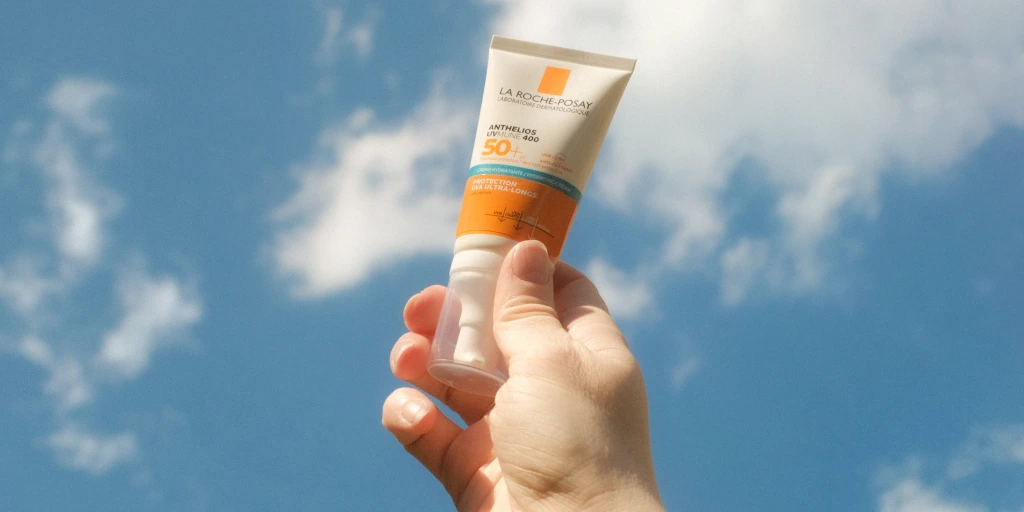
The US Food and Drug Administration (FDA) has approved bemotrizinol, a widely used sunscreen ingredient already popular in Europe, Australia, and parts of Asia, marking a major update to American sun protection regulations.
The decision expands the list of approved sunscreen filters in the United States for the first time in more than 20 years.
What is bemotrizinol and why does it matter?
Bemotrizinol is a UV filter that protects the skin from harmful ultraviolet radiation, which is linked to skin aging, sunburn, and skin cancer.
It is considered a broad-spectrum sunscreen ingredient, meaning it blocks both UVA rays (responsible for aging and wrinkles) and UVB rays (responsible for sunburn).
Unlike many existing chemical filters in the US, bemotrizinol remains stable under sunlight, meaning it does not break down as quickly and offers longer-lasting protection.
How US sunscreens compare to global products
In the United States, most approved chemical sunscreen ingredients protect against either UVA or UVB rays, but not both effectively on their own.
As a result, many products rely on combinations of multiple filters to achieve broad protection.
Mineral sunscreens, which use zinc oxide or titanium dioxide, already provide broad-spectrum protection but often leave a visible white residue on the skin.
Bemotrizinol helps close this gap by offering strong, stable, broad-spectrum coverage in a single ingredient.
Safety and scientific considerations
According to the FDA, bemotrizinol shows low levels of absorption into the body, addressing long-standing concerns about whether sunscreen chemicals can enter the bloodstream.
While research on long-term absorption effects is still ongoing, dermatology experts emphasize that consistent sunscreen use remains essential for skin cancer prevention.
The Environmental Working Group welcomed the approval, saying the ingredient could improve UVA protection in US sunscreen formulations.
What comes next for consumers
Sunscreens containing bemotrizinol are expected to reach the US market by the end of the year, according to the ingredient manufacturer DSM-Firmenich.
Experts say the approval could lead to more advanced sunscreen formulas in the US, bringing them closer to international standards already widely used in other regions.
For consumers, this could mean better protection, more stable formulations, and improved daily skincare options.
Author: Staff Writer | Edited for WTFwire.com | SOURCE: NBC News
: 342