Fentanyl Vaccine Shows Promise in First Human Trial

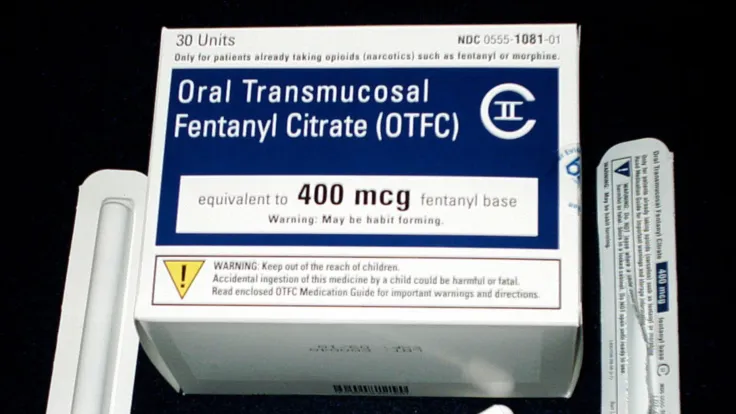
A groundbreaking fentanyl vaccine has successfully completed its first human safety trial, offering new hope in the fight against the opioid crisis. Researchers say the experimental vaccine could prevent overdoses by blocking fentanyl from reaching the brain, potentially eliminating both the drug’s euphoric effects and its deadly consequences.
Developed by biotechnology company ARMR Sciences, the vaccine is the first of its kind to be tested in humans. Early findings suggest it could become a powerful tool to reduce fentanyl-related deaths, which continue to drive the majority of opioid overdose fatalities in the United States.
How the Fentanyl Vaccine Works
Unlike treatments such as methadone, buprenorphine, or naloxone, the fentanyl vaccine works by training the body’s immune system to recognize and neutralize fentanyl before it can affect the brain.
The vaccine stimulates the production of antibodies that bind to fentanyl molecules in the bloodstream. Because these antibody-drug complexes are too large to cross the blood-brain barrier, fentanyl cannot reach the brain and trigger its dangerous effects.
Researchers created the vaccine by attaching a synthetic fentanyl fragment to CRM197, a modified diphtheria protein commonly used in licensed vaccines. An additional immune-boosting ingredient, known as dmLT, enhances the body’s response.
According to Dr. Colin Haile, one of the vaccine’s developers and co-founder of ARMR Sciences, vaccinated individuals who consume fentanyl would not experience a high and would be protected against overdose.
“If they consume fentanyl, the antibodies grab onto the drug and prevent it from getting into the brain,” Haile said.
Early Trial Results Show Encouraging Signs
The first human trial is being conducted at the Centre for Human Drug Research in the Netherlands and involves approximately 40 healthy adult volunteers.
Researchers are evaluating the vaccine’s safety, tolerability, and ability to generate an immune response after a two-dose regimen. Future stages of the study are expected to test whether the vaccine can effectively block fentanyl’s effects in controlled clinical settings.
Before reaching human trials, the vaccine demonstrated strong results in laboratory animals. Studies showed it blocked between 92% and 98% of fentanyl from entering the brain while preventing the drug’s behavioral effects.
Scientists also found that protective antibodies remained active for several months, raising hopes that future vaccinations could provide long-term protection.
Potential Benefits for Overdose Prevention
The fentanyl vaccine could offer a new layer of protection for people at risk of accidental exposure to fentanyl, particularly as the synthetic opioid increasingly appears in counterfeit pills and illicit drugs.
Researchers believe the vaccine may be especially useful for:
- People recovering from opioid addiction.
- Teenagers and young adults at risk of unknowingly consuming fentanyl.
- Individuals working in environments where accidental exposure is possible.
Because the antibodies specifically target fentanyl, other opioid medications used for pain management or addiction treatment would remain effective.
Experts Caution Vaccine Is Not a Cure for Addiction
While the results are promising, experts emphasize that the fentanyl vaccine is not a standalone solution for opioid use disorder.
The vaccine does not address withdrawal symptoms, cravings, or the psychological factors that contribute to addiction. Instead, it would likely be used alongside existing treatment programs and recovery strategies.
Researchers also note that the immune response has limits. Extremely large doses of fentanyl could potentially overwhelm the available antibodies, reducing the vaccine’s effectiveness.
Even so, many addiction specialists view the technology as a potentially valuable addition to current overdose prevention efforts.
Why the Research Matters
The urgency behind developing a fentanyl vaccine remains high. Synthetic opioids continue to play a major role in the overdose epidemic, accounting for the vast majority of opioid-related deaths in recent years.
Although overdose fatalities have declined compared with previous peaks, fentanyl remains one of the deadliest substances in the illicit drug supply.
The successful completion of the first human trial marks an important milestone. However, additional clinical studies will be required before regulators can determine whether the vaccine is safe and effective enough for public use.
For now, researchers say the findings demonstrate that the human immune system may be capable of providing a powerful defense against one of the most dangerous drugs fueling the opioid crisis.
Author: Staff Writer | Edited for WTFwire.com | SOURCE: NBC News
: 35