Israel-Lebanon Deal May Entrench Stalemate, Not End War, Analysts Say


A security framework signed between Israel and Lebanon last week may deepen the stalemate in southern Lebanon rather than resolve it, regional analysts and politicians say, warning that the deal’s central condition — the disarmament of Hezbollah — is both unenforceable and politically explosive.
A Deal Built on an Unworkable Bargain
The framework agreement, signed in Washington on June 26, ties Israel’s military withdrawal from southern Lebanon to the verified disarmament of Hezbollah, the Iran-aligned armed group that fired on Israel on March 2 in solidarity with Tehran at the outset of the broader US-Iran war.
Hezbollah has flatly rejected disarmament. And no Lebanese government, analysts say, has the political or military capacity to enforce it.
“This is not an agreement, it is an imposed settlement,” said a senior Lebanese politician who declined to be named, adding that the Lebanese army was neither structured nor equipped to confront Hezbollah’s entrenched military capacity.
Analysts Say Israel Gains an Open-Ended Military Presence
With Hezbollah’s disarmament seen as unattainable, critics argue the deal effectively gives Israel political cover to maintain an indefinite military presence in southern Lebanon, where it has already consolidated a buffer zone eight to ten kilometers deep.
Michael Young, a Beirut-based analyst, said the agreement “puts all the burden on Lebanon” and “creates a structure that allows the Israelis to remain indefinitely.”
Fawaz Gerges, a Lebanese scholar at the London School of Economics, went further, calling the deal “born dead” and describing the buffer zone’s potential permanence as a political gift to Israel. He also noted that Washington’s deliberate separation of the Lebanon conflict from the broader US-Iran war gave Israel greater freedom of action in the south.
Danny Citrinowicz, a former Israeli military intelligence officer, was blunt: “Nothing will happen. Israel won’t withdraw, and Hezbollah won’t dismantle.” He added that no Israeli prime minister could politically justify a withdrawal while Hezbollah remains armed and northern Israeli communities remain displaced.
Netanyahu Calls It Historic; Lebanon’s Leaders Are Divided
Israeli Prime Minister Benjamin Netanyahu has portrayed the deal as a historic diplomatic achievement that could pave the way for broader peace with Lebanon. Israeli troops remain deployed in what Israel calls a security zone in the south, and Netanyahu has said they will stay until Hezbollah and other armed groups are disarmed and pose no further threat to Israel.
Three senior Israeli officials acknowledged that Israel has little faith in Lebanon’s ability to disarm Hezbollah but views the deal as a necessary diplomatic step toward long-term peace.
Lebanese President Joseph Aoun welcomed the agreement as a first step toward restoring sovereignty, expressing hope that it would allow Lebanese citizens to return to fully liberated territory. Parliament Speaker Nabih Berri took a sharply different view, calling it “an agreement of dictates, not one that preserves Lebanon’s rights” and predicting it would never be implemented.
Hezbollah Rejects Deal, Warns of Internal Conflict
Hezbollah chief Naim Qassem declared the deal “null and void” and a “surrender,” vowing that his group would continue fighting until Israeli forces are expelled. Hezbollah lawmaker Hassan Fadlallah warned of “internal conflict” in Lebanon if any attempt were made to forcibly disarm the group.
That warning resonates with many analysts. Young said the deal “won’t lead us anywhere except to civil conflict, and maybe an insurrection by the Shia community.” Pro-Hezbollah analyst Mohammed Obeid described the agreement’s provisions as “like explosives,” capable of detonating Lebanon’s fragile internal stability.
A Fragile State Asked to Do the Impossible
At the heart of the criticism is a structural imbalance: the deal places sweeping obligations on Lebanon with no reciprocal guarantee of Israeli withdrawal. Lebanon’s post-civil war political system, built on sectarian power-sharing rather than state coercion, was never designed to confront an armed faction as powerful as Hezbollah.
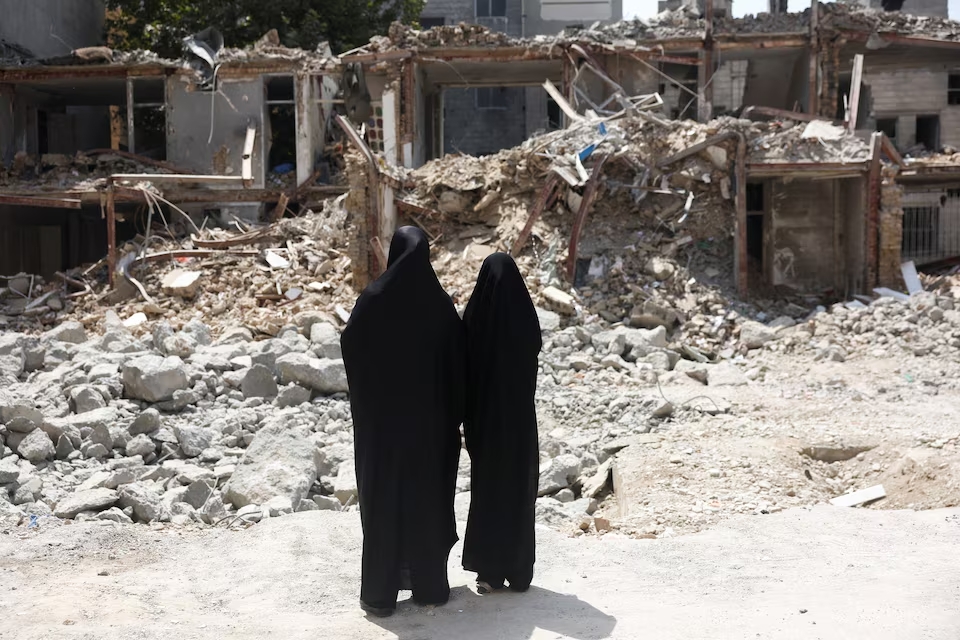
The conflict in Lebanon has already claimed around 4,000 lives and displaced one million people during Israel’s military campaign against Hezbollah. Citrinowicz suggested that a narrower agreement — focused on Hezbollah’s pullback from south of the Litani River, an expanded Lebanese army deployment, and a gradual extension of state authority — would have had a stronger chance of success.
As it stands, analysts say the Israel-Lebanon deal on Hezbollah disarmament risks becoming not a path to peace, but a framework for prolonged occupation and renewed instability.
Author: Staff Writer | Edited for WTFwire.com | SOURCE: Reuters
: 94