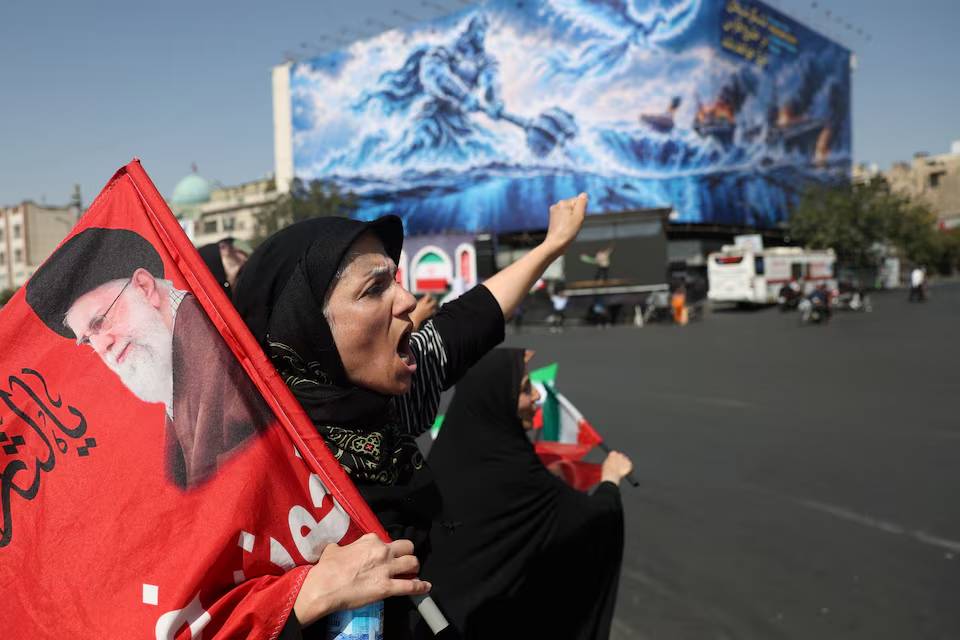
US-Iran Deal Reshapes Middle East as Israel and Gulf States Raise Concerns

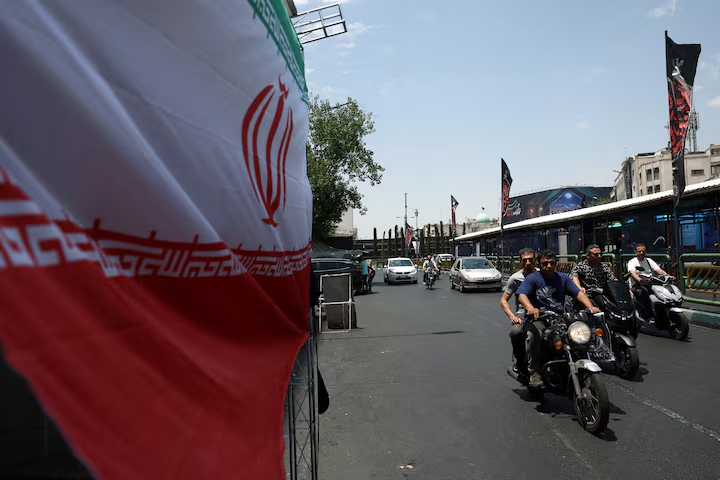
The newly signed U.S.-Iran agreement is being celebrated by supporters as a historic diplomatic breakthrough. However, critics across the Middle East argue that the deal could strengthen Iran’s regional influence while weakening the position of its long-time rivals.
The agreement, signed by U.S. President Donald Trump and Iranian President Masoud Pezeshkian, marks the first formal accord between American and Iranian leaders since the 1979 Islamic Revolution. The deal extends a ceasefire for 60 days and opens negotiations aimed at reaching a broader settlement over Iran’s nuclear program and regional security issues.
Iran Secures Economic and Political Gains
Supporters describe the agreement as a pragmatic solution that prevents further conflict and economic instability. The deal includes a framework for sanctions relief, renewed oil exports, and access to major reconstruction funding.
According to regional analysts, Tehran emerges from the conflict with several strategic advantages. Iran avoided regime change, maintained its political system, and secured the possibility of economic recovery after years of sanctions and war-related disruptions.
Lebanese political commentator Sarkis Naoum described the accord as a “grand bargain,” arguing that both Washington and Tehran have strong incentives to ensure its success.
The agreement follows a conflict that began in February and resulted in thousands of deaths across Iran and Lebanon while disrupting global energy markets.
Israel Sees Strategic Setback
Israeli officials and analysts have reacted negatively to the agreement, arguing that it fails to address their primary security concerns.
Danny Citrinowicz, a senior researcher at Israel’s Institute for National Security Studies, described the accord as a strategic defeat for Israel. He noted that the agreement does not include restrictions on Iran’s ballistic missile program, regional proxy groups, or a clear path toward dismantling Iranian nuclear facilities.
Israeli Prime Minister Benjamin Netanyahu has also expressed concerns about provisions affecting military operations in Lebanon. The ceasefire framework limits Israel’s ability to continue pressure on Hezbollah, an Iranian-backed militant group that has been central to regional tensions.
The deal has also highlighted growing differences between Trump and Netanyahu regarding military operations in Lebanon and broader Middle East strategy.
Lebanon Becomes a Key Battleground
Lebanon has become one of the most sensitive issues within the agreement.
The ceasefire framework requires an end to hostilities on all fronts, including southern Lebanon, where fighting between Israel and Hezbollah has displaced more than a million people.
Supporters of Hezbollah argue that Lebanon benefits from being included in higher-level U.S.-Iran negotiations because both Washington and Tehran now have incentives to pressure their allies toward a settlement.
However, Lebanese officials have expressed concerns that regional powers could negotiate outcomes affecting Lebanon without direct input from Beirut.
Gulf States Worry About Regional Balance
The agreement has also generated anxiety among Gulf Arab states.
Regional officials fear the deal may solidify Iran’s status as a dominant regional power while reducing confidence in traditional U.S. security guarantees. Several Gulf governments have spent years supporting efforts to contain Iranian influence.
Analysts say the accord may accelerate a shift toward accommodation with Tehran rather than direct confrontation.
Alex Vatanka, a senior fellow at the Middle East Institute in Washington, argues that the agreement reflects the reality that military pressure alone failed to achieve Washington’s objectives.
According to Vatanka, a wider conflict could have devastated Gulf economies and energy infrastructure for years.
Future of the Agreement Remains Uncertain
While the agreement establishes a framework for negotiations, major issues remain unresolved. The future of Iran’s nuclear program, regional proxy networks, and long-term sanctions relief will be central topics during the 60-day negotiation period.
Analysts also warn that Israel could still emerge as a spoiler if disagreements over Lebanon and Iran’s regional role intensify.
For now, the deal represents one of the most significant shifts in Middle Eastern diplomacy in decades. Whether it delivers lasting stability or creates new tensions will depend on how both sides implement the agreement and whether regional actors accept the new balance of power.
Author: Staff Writer | Edited for WTFwire.com | SOURCE: Reuters
: 281