US-Iran Strikes Escalate as Trump Warns Tehran Will Pay Price


Tensions between the United States and Iran sharply escalated after a new exchange of airstrikes and missile attacks across the Middle East, deepening fears of a wider regional war and putting fragile diplomatic efforts at risk.
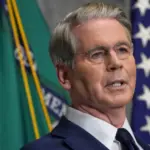
President Donald Trump warned that Iran would “pay the price” for delays in reaching a peace agreement, signaling a tougher U.S. stance as military operations expanded around the Gulf region.
Renewed strikes hit key strategic targets
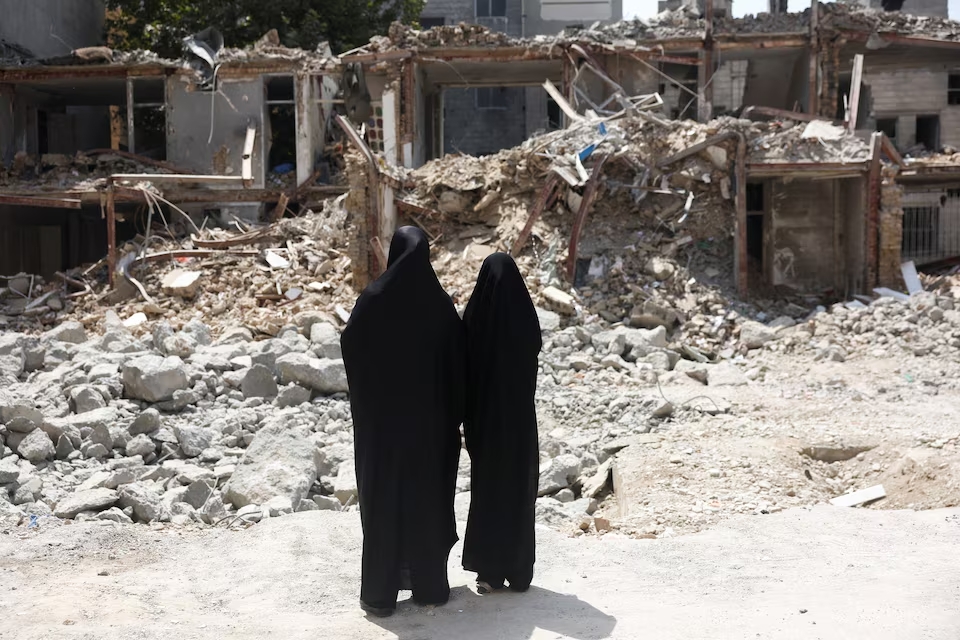
The U.S. military carried out airstrikes targeting Iranian air defense systems, surveillance radar sites, and ground control facilities near the Strait of Hormuz, one of the world’s most important energy transit routes.
In response, Iran launched missile and drone attacks targeting U.S. military bases in Jordan, Kuwait, and Bahrain. Most of the incoming missiles were intercepted by regional air defenses, according to officials.
Iran said the attacks were a direct retaliation for U.S. operations against its territory and military infrastructure.
Strait of Hormuz becomes central flashpoint
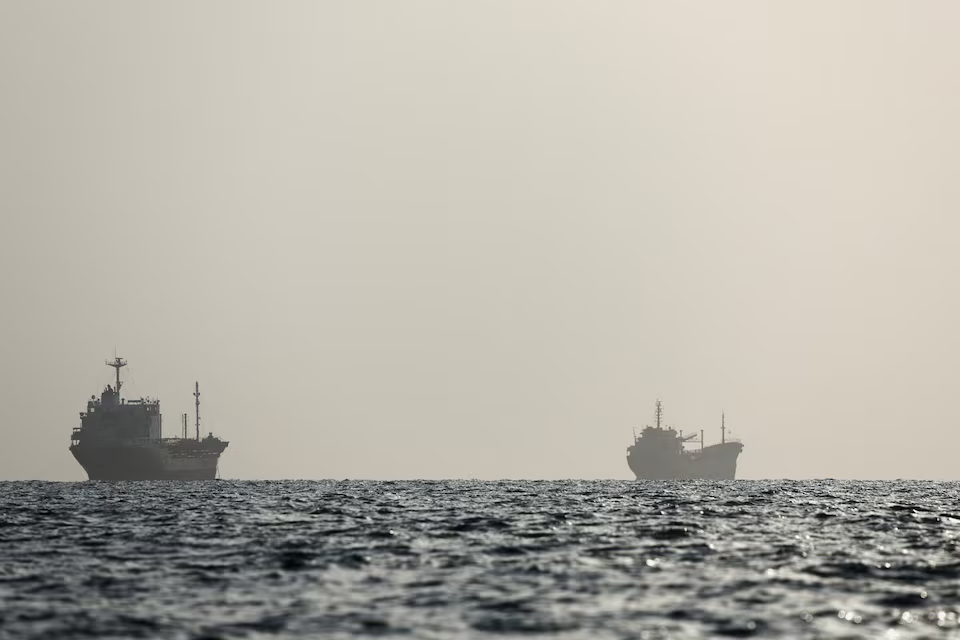
The escalation is heavily focused on the Strait of Hormuz, a strategic maritime chokepoint through which roughly one-fifth of global oil supplies pass.
Any disruption in the area has immediate global consequences, particularly for energy markets. Recent tensions have already contributed to rising oil prices and increased volatility in global financial markets.
Iran has previously threatened to restrict maritime traffic in the region, while the United States has responded with military action aimed at protecting shipping routes and deterring further escalation.
Regional spillover expands conflict zone
The conflict has now expanded beyond Iran and the United States, drawing in multiple regional actors:
- U.S. bases in Jordan, Bahrain, and Kuwait were targeted by Iranian missile fire
- Air defenses in multiple countries were activated to intercept incoming threats
- Reports of additional strikes and explosions emerged near key Iranian port cities, including Bandar Abbas and Qeshm Island
- Maritime security incidents were also reported in the wider Gulf region
The growing number of simultaneous flashpoints highlights the widening scope of the conflict.
Trump signals tougher stance amid stalled diplomacy
President Trump said Iran had taken “too long” to negotiate a deal and warned that continued delays would lead to further consequences.
U.S. officials described the recent strikes as a “proportional response” to earlier attacks, including a reported incident involving a U.S. military helicopter near the Strait of Hormuz.
Despite the escalation, diplomatic channels have not fully collapsed. A delegation from Qatar reportedly arrived in Tehran to continue mediation efforts aimed at preventing further deterioration.
Iran considers next steps in negotiations
Iranian officials said the country would reassess its participation in diplomatic talks following what it described as repeated violations of ceasefire understandings.
Tehran insists its actions are defensive and accuses Washington of escalating tensions through continued military pressure and sanctions.
At the same time, Iran continues to demand relief from sanctions and recognition of its strategic interests in the region as conditions for any long-term agreement.
Global impact and rising uncertainty
The ongoing escalation has already affected global markets:
- Oil prices have risen due to fears of disruption in the Strait of Hormuz
- Energy markets remain volatile amid ongoing military activity
- Investors are reacting to uncertainty around potential further escalation
Analysts warn that continued conflict between the U.S. and Iran could further destabilize global energy supplies and increase inflationary pressure worldwide.
Outlook remains uncertain
While both sides have expressed interest in avoiding a full-scale war, the situation continues to deteriorate as strikes, counterstrikes, and political pressure intensify.
With diplomacy stalled and military activity expanding, the risk of further escalation in the Middle East remains high.
Author: Staff Writer | Edited for WTFwire.com | SOURCE: Reuters
: 275