Venezuela Earthquake: Some Communities Still Await Aid After Twin Quakes

Five days after twin earthquakes struck northern Venezuela, some of the hardest-hit communities have yet to receive government assistance, residents said Monday, as rescue teams pressed on with around-the-clock search operations and a 4.6-magnitude aftershock rattled the disaster zone once again.
El Junquito Still Waiting for Government Response
In El Junquito, a mountainous area roughly 33 kilometers west of Caracas popular with weekend vacationers, residents said they had seen few public officials since the quakes struck last Wednesday. Local farmers and community members have stepped in to provide basic supplies in the absence of official aid.
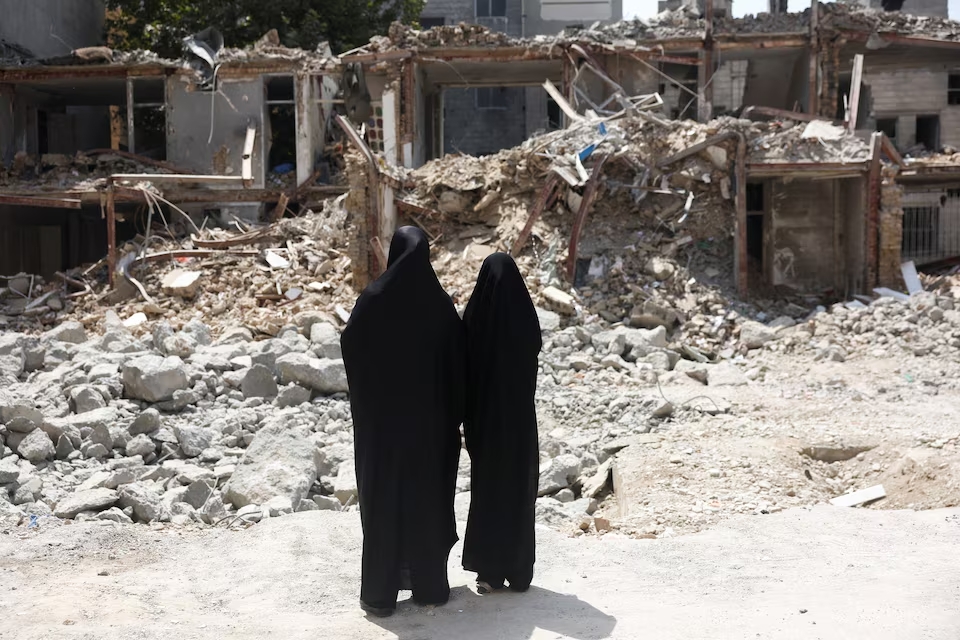
The town’s commercial center was largely destroyed. Buildings collapsed along the main streets, and several residents who have nowhere else to go have pitched tents in open fields, even as damaged structures nearby pose ongoing risks.
“We are waiting for answers, for debris to be cleaned up, for inspections, for people who have been really affected to be helped,” said Keily Ibarra, a 33-year-old manicurist who has been channeling community complaints to authorities. “We need the government to do what needs to be done.”
Tony Abreu, a local sweet shop owner, has been living in a tent since the earthquakes after his home and business were deemed unsafe. “We don’t know where we are going to be located or how long we are going to be here,” he said. Unofficial reports of additional deaths in surrounding neighborhoods have also circulated, as some houses and buildings collapsed beyond the main disaster zones.
International Aid Concentrated in La Guaira
While international rescue and relief organizations have mobilized across Venezuela, most of the assistance has been directed to La Guaira, the coastal state closest to the epicenter and the hardest hit by the disaster. Venezuela’s earthquake aid relief efforts have drawn support from 24 nations, which have collectively delivered more than 500 metric tons of supplies, deployed over 2,700 rescue and support personnel, and sent approximately 86 canine search teams, according to Venezuelan authorities.
The twin earthquakes have killed close to 1,500 people and caused hundreds of buildings to collapse across the region. Venezuela was already in the grip of a deep political and economic crisis before the disaster struck, complicating the government’s ability to coordinate a nationwide response.
Rescuers Race Against Time as Aftershocks Continue
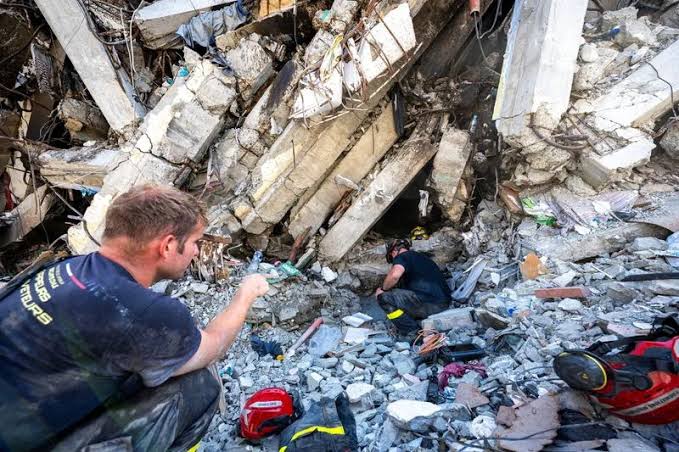
Rescue teams entered their fifth consecutive day of nonstop operations Monday, working against a narrowing window to find survivors alive. Hundreds of aftershocks have shaken the disaster zone since the initial quakes, disrupting efforts and rattling both national and international responders.
The 4.6-magnitude aftershock struck early Monday morning north of Caracas at a depth of 10 kilometers, according to the US Geological Survey. Jorge Rodríguez, president of the Venezuelan National Assembly, said on social media that no new damage had been immediately reported.
Each rescue has brought a renewed burst of hope. Salvadoran President Nayib Bukele highlighted the recovery of Aaron Levi, a 21-year-old pulled alive from a collapsed building in La Guaira after 106 hours trapped under rubble. The operation to free him lasted 43 hours and involved coordinated teams from Venezuela, Mexico, and El Salvador. Venezuelan interim President Delcy Rodríguez also celebrated the rescue, describing it as a testament to the international cooperation driving relief efforts.
Three US Citizens Confirmed Dead, Dozens More Unaccounted For
A senior US administration official confirmed Monday that three American citizens have died in the earthquakes and that 12 others remain missing. A State Department task force has received more than 300 inquiries from Americans seeking guidance, with officials estimating approximately 5,000 US citizens were in Venezuela at the time of the disaster.
Author: Staff Writer | Edited for WTFwire.com | SOURCE: Reuters
: 96