Supreme Court Rejects Drugmakers’ Challenge to Medicare Price Negotiations

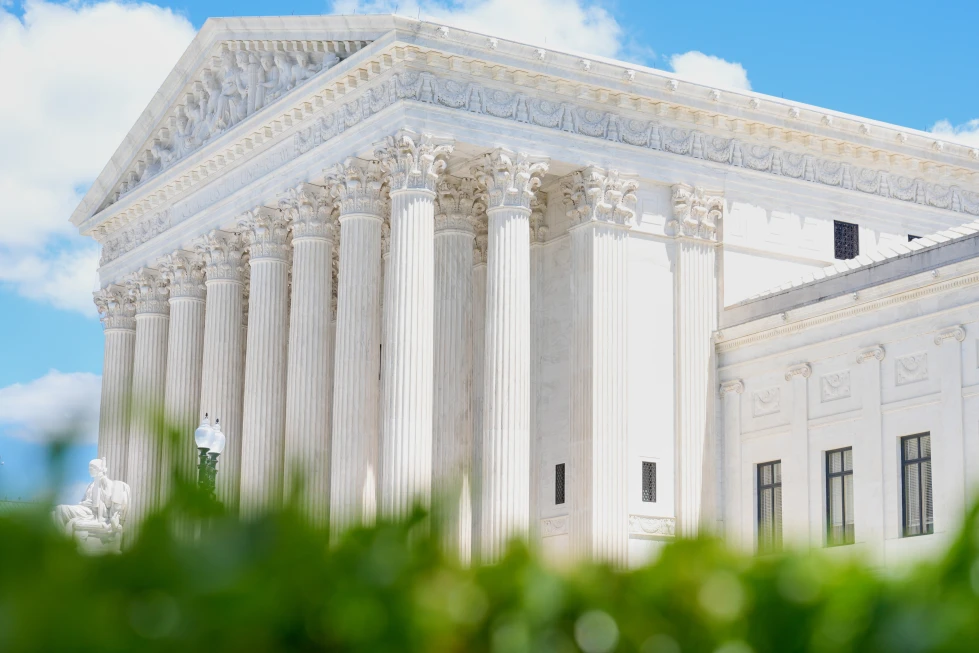
The Supreme Court of the United States on Monday rejected appeals from pharmaceutical companies seeking to block Medicare drug price negotiations with the federal government.
The decision leaves intact lower court rulings that dismissed legal challenges brought by drug manufacturers against the negotiation program created under the Inflation Reduction Act.
Supreme Court declines to intervene
The justices offered no explanation for declining to hear the cases, allowing a ruling from the federal appeals court in Philadelphia to stand.
The Medicare drug price negotiations program was established in 2022 as part of former President Joe Biden’s signature climate, healthcare and tax legislation.
The law authorized the federal government to negotiate directly with pharmaceutical companies over the prices of some of the most expensive medications covered under Medicare.
Medicare negotiations already affecting major drugs
So far, federal officials have negotiated lower prices for 25 prescription medications under the program.
The negotiated list includes several blockbuster GLP-1 drugs, including:
- Ozempic
- Rybelsus
- Wegovy
In January, the Trump administration announced a third round of negotiations, which is expected to increase the total number of affected drugs to 40.
Trump administration continues program despite Republican criticism
Although Republicans strongly opposed the Inflation Reduction Act when Congress passed it in 2022, the administration of Donald Trump has continued implementing the Medicare negotiation authority.
Not a single Republican voted for the legislation when it passed Congress.
Republican lawmakers have criticized several elements of the law, particularly clean energy incentives, many of which Trump has attempted to roll back since returning to office.
However, the administration has maintained support for lowering prescription drug costs through Medicare negotiations.
Pharmaceutical industry pushed back aggressively
Drug manufacturers argued in court that the federal government’s negotiation framework unfairly targets pharmaceutical companies and could discourage innovation.
The industry has also claimed policymakers should instead focus on reducing costs tied to:
- Insurance companies
- Pharmacy benefit managers
- Healthcare middlemen
Despite those arguments, federal courts consistently ruled against the pharmaceutical companies.
Congress may be the only path to repeal
Because the Supreme Court refused to hear the appeals, experts say ending the Medicare drug price negotiations program would now likely require congressional action.
The statute establishing the negotiation system does not include an expiration date.
That means the program could continue expanding in future years unless lawmakers move to repeal or significantly modify it.
Prescription drug costs remain a major political issue
Lowering prescription drug prices has become one of the most politically sensitive healthcare issues in the United States, particularly as demand grows for expensive weight-loss and diabetes treatments.
Supporters of the negotiation program argue it could save Medicare billions of dollars while reducing out-of-pocket costs for seniors.
Critics warn that tighter pricing controls could reduce pharmaceutical investment in future drug development.
The Supreme Court’s decision marks another major legal victory for the federal government’s efforts to reshape prescription drug pricing in the U.S. healthcare system.
Author: Staff Writer | Edited for WTFwire.com | SOURCE: AP News
: 154