Oil prices plunge as Hormuz reopening sparks global market rally

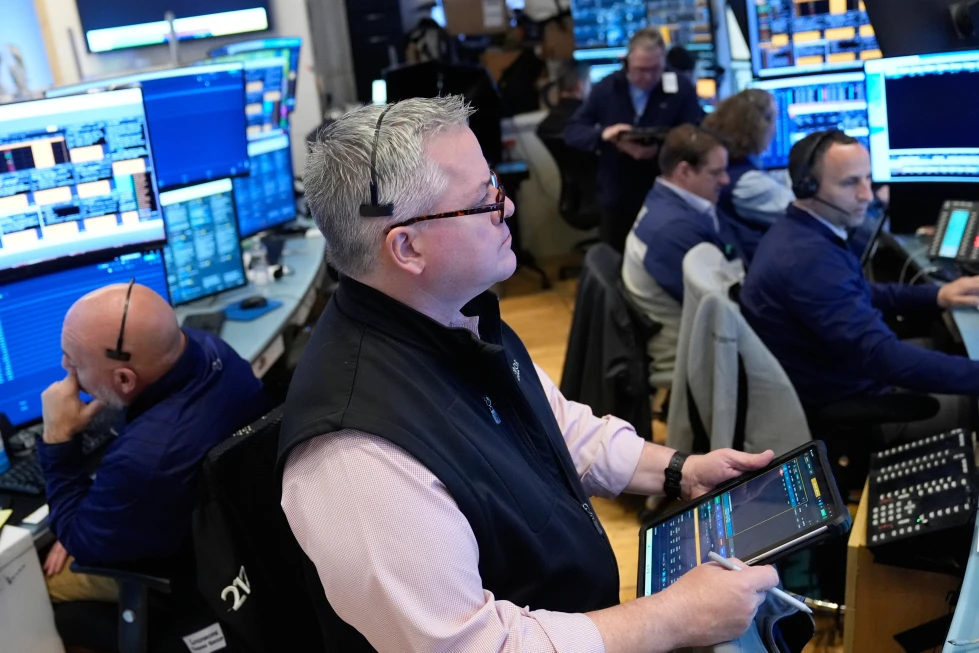
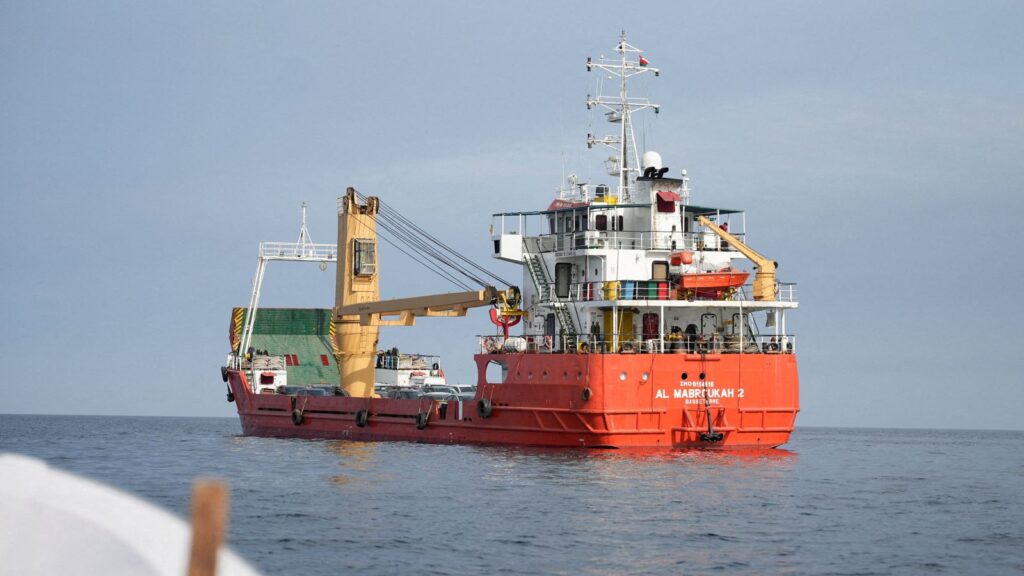
The oil prices drop Hormuz reopening triggered a sharp rally across global markets on Friday, offering a rare moment of relief after weeks of volatility tied to the Iran conflict.
Crude prices tumbled more than 13% after Iran announced that the Strait of Hormuz would reopen to commercial shipping. The move immediately lifted investor sentiment and pushed major U.S. stock indexes sharply higher.
On Dow Jones Industrial Average, gains exceeded 1,000 points, while the S&P 500 climbed 1.4%, extending a strong multi-week rebound. The Nasdaq Composite also rose, reflecting renewed confidence across sectors.
Oil prices drop Hormuz reopening boosts investor optimism
The reopening of Hormuz — a chokepoint for roughly one-fifth of global oil supply — signals a potential easing of one of the biggest risks facing the world economy.
Iran’s foreign minister, Abbas Araghchi, confirmed that the passage would remain open during a temporary ceasefire. As a result, U.S. crude fell to around $79 per barrel, while Brent crude also posted double-digit losses.
Lower oil prices are expected to ease inflation pressures globally. Fuel costs have been a major driver of rising prices since the war began, affecting everything from transportation to food.
Wall Street reacts quickly to lower energy costs
Markets responded almost instantly. Companies with high fuel exposure saw some of the strongest gains.
Airlines, cruise operators, and transportation firms rallied on expectations of lower operating costs. Housing and auto stocks also climbed, helped by falling bond yields and the prospect of cheaper financing.
The yield on the 10-year U.S. Treasury dropped, a sign that investors anticipate less inflation pressure ahead. Lower yields typically translate into reduced mortgage and loan rates, which can stimulate consumer spending.
Cautious optimism remains despite market surge
Despite the strong rally, uncertainty has not fully disappeared. The reopening of Hormuz may be temporary, and geopolitical tensions remain high.
Donald Trump said the U.S. naval blockade on Iran would remain in place until a broader agreement is reached. At the same time, he expressed confidence that negotiations could conclude soon.
Markets have swung sharply throughout the conflict. Previous rallies were often followed by sudden downturns as new developments emerged.
Why the Strait of Hormuz matters to the global economy
The Strait of Hormuz is one of the most critical energy corridors in the world. Any disruption there has immediate global consequences.
Before the war, oil prices hovered near $70 per barrel. Even after Friday’s drop, prices remain elevated, reflecting lingering risk in the region.
Still, the reopening offers a clear signal that de-escalation may be possible — and that markets are ready to respond quickly to any sign of stability.
Author: Staff Writer | Edited for WTFwire.com | SOURCE: AP News
: 7