Flesh-eating screwworm detected in Texas cattle after 60 years in US

A dangerous flesh-eating parasite known as New World screwworm has been confirmed in a young calf in Texas, marking the first detection of the pest in the United States in decades and raising concerns for the country’s cattle industry.
The case was identified in a 3-week-old calf in La Pryor, near the U.S.–Mexico border, according to U.S. Agriculture Secretary Brooke Rollins.
The discovery comes as the U.S. cattle herd is already at its lowest level in 75 years, adding pressure on an industry that is central to the nation’s food supply and beef prices.
What is screwworm?
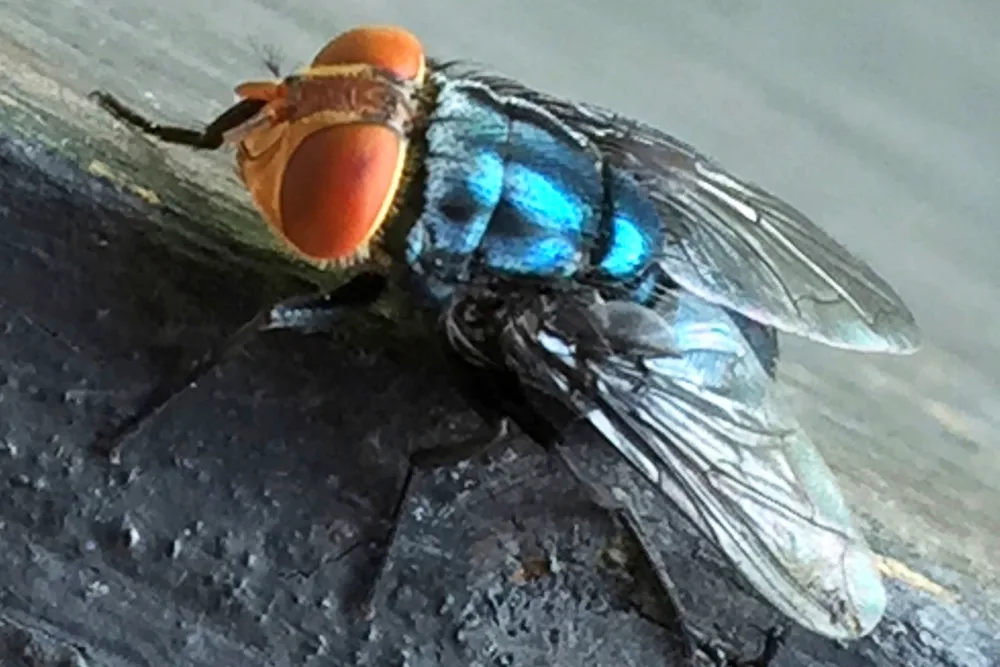
New World screwworm is a parasitic fly whose larvae feed on the living tissue of warm-blooded animals. While it can also infect pets and, in rare cases, humans, experts say the public health risk remains low.
However, it is considered a major agricultural threat because untreated infections can cause severe injury or death in livestock.
Unlike contagious diseases, screwworm spreads when female flies lay eggs in open wounds or natural body openings. Once hatched, larvae burrow into tissue and feed aggressively.
First US case in decades
Officials confirmed that this is the first case of screwworm in Texas since 1966, and currently the only known case in the United States.
The parasite has been gradually spreading north through Mexico, prompting repeated warnings from U.S. and Texas agriculture authorities before reaching the border region.
Emergency containment measures
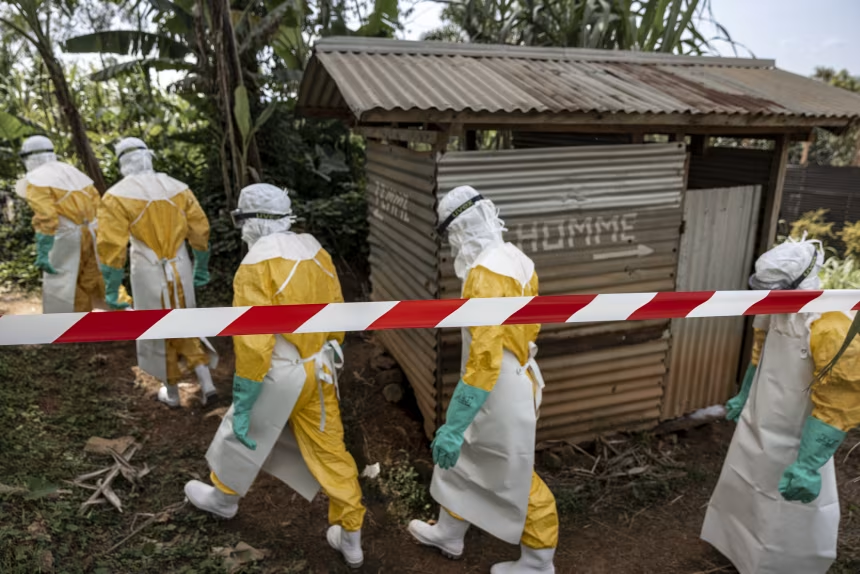
In response, the U.S. Department of Agriculture (USDA) has activated emergency containment efforts, including a quarantine zone of roughly 12 miles around the infected site.
Movement of livestock and other warm-blooded animals has been restricted in the area to limit potential spread.
Authorities have also begun releasing sterilized male flies — a long-standing biological control method used to eliminate screwworm populations in past eradication campaigns.
The technique works by preventing reproduction when sterile males mate with females, gradually collapsing the pest population.
Government response and concerns
The USDA says it is confident the situation is under control and has invested in expanded sterile fly production facilities in Texas to strengthen long-term defenses.
Officials have emphasized that the United States has successfully eradicated screwworm before and intends to do so again.
However, some agricultural leaders warn that earlier response measures may not have been sufficient as the pest advanced northward through Central America and Mexico.
Economic risk to cattle industry
Industry experts caution that a wider outbreak could have serious economic consequences. With beef already at record prices, any disruption to cattle production could further increase costs for consumers.
The U.S. cattle herd is already under strain due to drought, supply constraints, and rising feed costs, making additional livestock losses particularly sensitive for the market.
While authorities stress that there is no evidence of widespread infestation, the confirmation of screwworm in Texas marks a significant warning sign for U.S. agriculture.
Containment efforts are now focused on preventing further spread and protecting one of the country’s most important food industries from a potential outbreak.
: 24