US House votes to end Iran war in symbolic rebuke of Trump

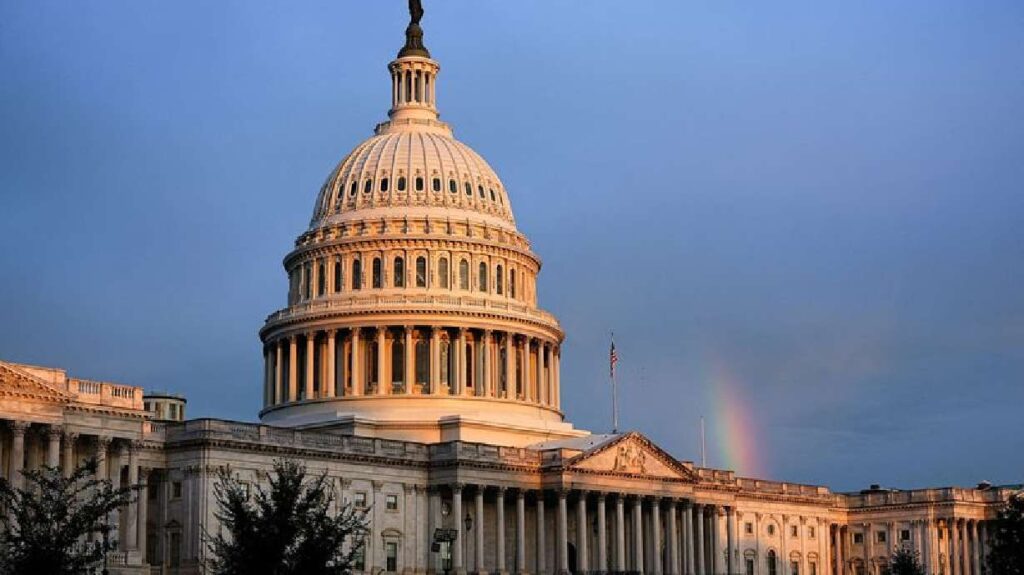
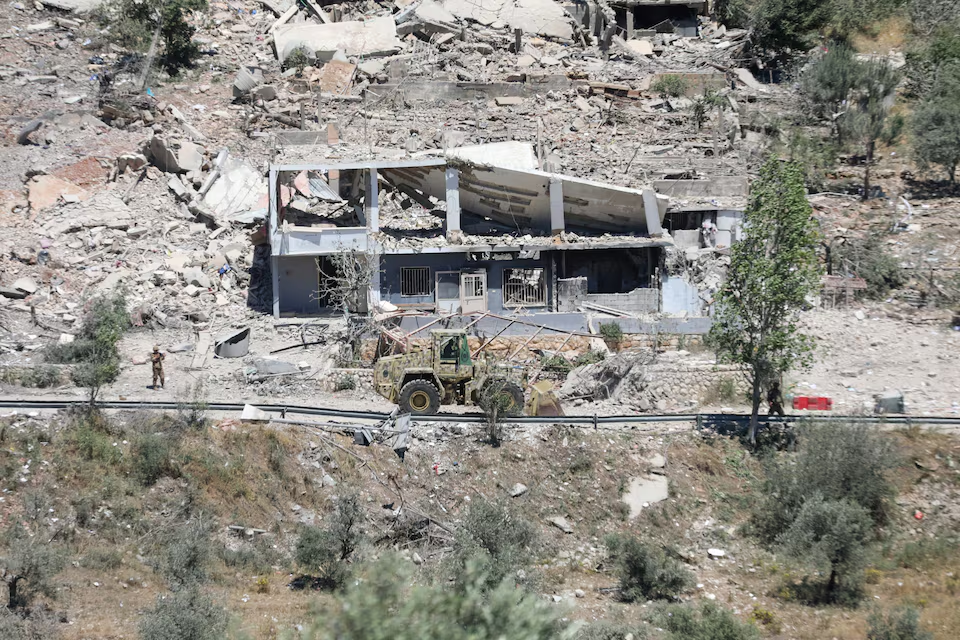
The Republican-led U.S. House of Representatives has approved a resolution aimed at blocking continued U.S. military involvement in the war against Iran, marking a rare bipartisan challenge to President Donald Trump.
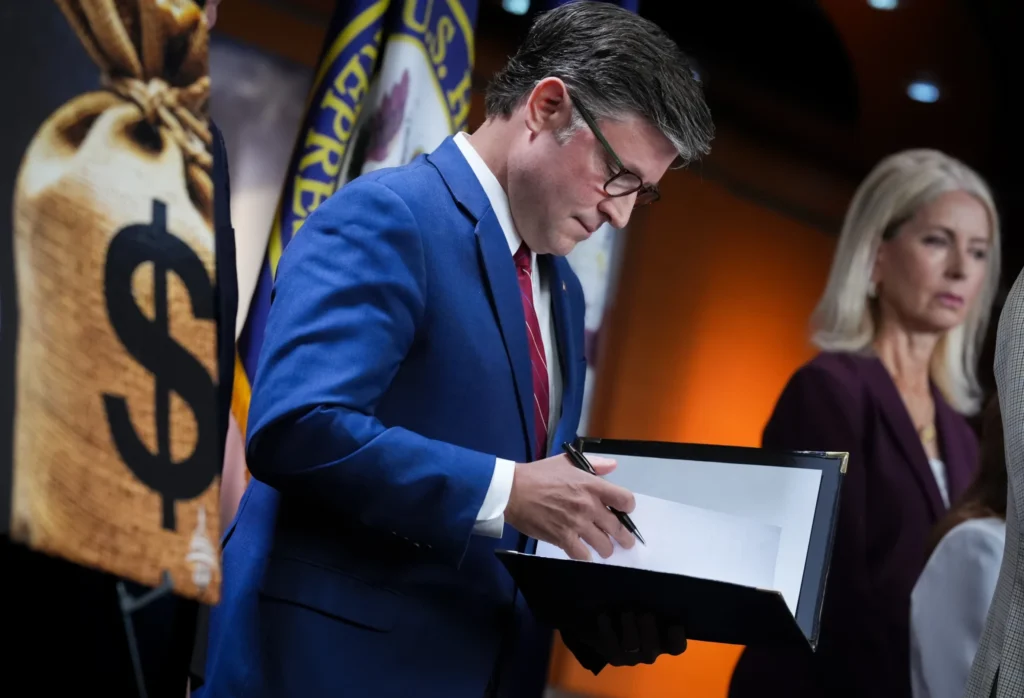
The measure passed by a vote of 215–208, with four Republicans joining all Democrats in support of the war powers resolution. The vote reflects growing unease in Congress over the ongoing three-month conflict involving Iran.
Symbolic vote highlights political divide
The resolution directs the administration to withdraw U.S. forces from hostilities unless Congress formally authorizes military action. However, the measure is largely symbolic, as it still requires approval from the Senate and would likely face a presidential veto.
Despite its limited immediate impact, the vote signals increasing political pressure on the White House over its handling of the war.
It also underscores divisions within the Republican Party, as a small but notable group of lawmakers broke ranks with the president.
Growing bipartisan concern over war powers
Supporters of the resolution argue that the administration has engaged in sustained military action without explicit congressional authorization.
They say the conflict has escalated without a clear long-term strategy and has contributed to rising economic pressure, including higher fuel and consumer prices.
The war powers debate has become a recurring point of tension between Congress and the executive branch, with lawmakers asserting their constitutional authority over decisions to go to war.
Trump criticizes vote as “unpatriotic”
Following the vote, Trump sharply criticized the resolution, calling it “unpatriotic” and accusing Republican lawmakers who supported it of undermining his administration during ongoing negotiations aimed at ending the conflict.
He argued that the measure could weaken U.S. leverage in talks with Iran and disrupt diplomatic efforts currently underway.
Broader legislative pushback in Congress
The war powers vote came alongside other congressional actions reflecting growing friction between lawmakers and the administration.
The House also advanced a separate measure supporting Ukraine aid in its war against Russia, despite opposition from Republican leadership. That vote followed months of procedural efforts to bring the legislation to the floor.
Lawmakers have also debated related foreign policy issues, including proposed initiatives tied to government accountability and national security leadership appointments.
Economic and political implications
Democratic lawmakers framed the Iran war as a central factor in rising costs for American households, pointing to increases in energy and goods prices since the conflict began.
They argue that public frustration over affordability could shape voter sentiment ahead of the November midterm elections, where control of Congress will be decided.
Republicans opposing the resolution described it as political theater, arguing that it could weaken U.S. negotiating power abroad and send mixed signals to adversaries.
Next steps uncertain
The resolution now moves to the Senate, where similar measures have faced procedural hurdles and repeated delays.
Even if both chambers were to approve a final version, it would face significant legal and constitutional questions over the balance of war powers between Congress and the presidency.
For now, the vote stands as a symbolic but notable sign of growing congressional scrutiny over the ongoing conflict with Iran.
: 24