US measles outbreak ends as vaccination rates rise

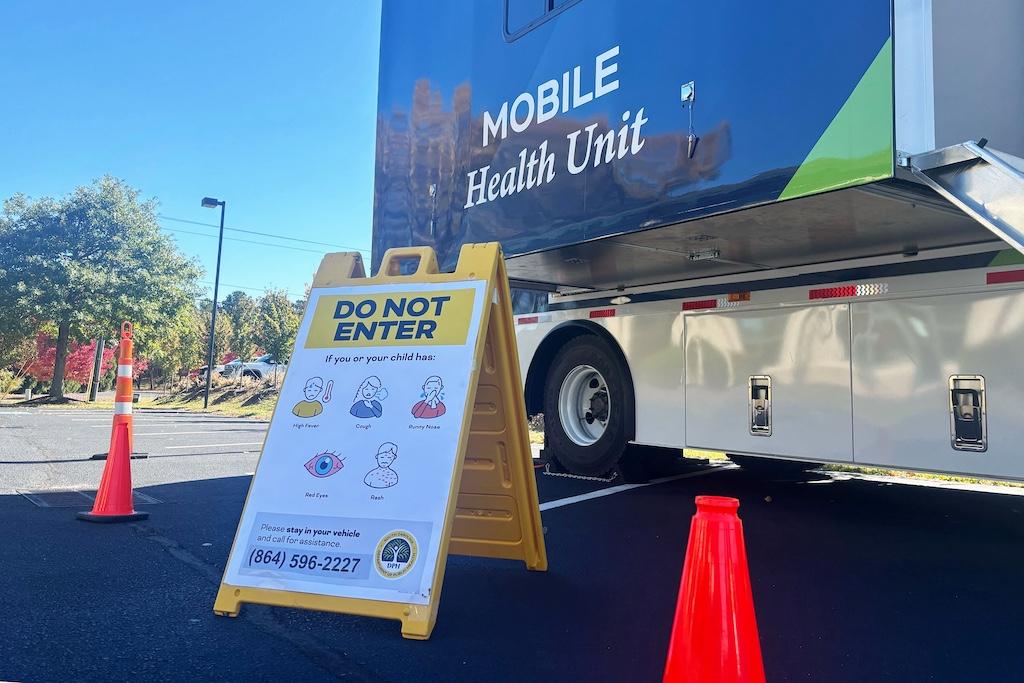
WASHINGTON — The largest measles outbreak in the United States in decades has officially ended, health officials in South Carolina confirmed, marking a key public health milestone after months of rapid transmission.
The outbreak, which began in October, resulted in nearly 1,000 confirmed cases and at least 21 hospitalizations over a six-month period. Authorities declared it over after more than 42 consecutive days without new cases — equivalent to two full incubation cycles of the virus.
A surge driven by low vaccination rates
Health experts say the outbreak was largely fueled by declining immunization coverage.
More than 90% of cases were reported among individuals who had not received the measles, mumps and rubella vaccine (MMR), with children representing the vast majority.
The crisis unfolded amid a broader national trend, as measles cases surged across the country — putting at risk the disease’s elimination status achieved in 2000.
Vaccination efforts helped contain the outbreak
Officials credited an aggressive public health response for bringing the outbreak under control, including:
- Expanded vaccination campaigns
- Contact tracing and case investigations
- Isolation and quarantine measures
Dr. Brannon Traxler, a senior official with the state health department, said vaccination played a central role in stopping transmission.
The MMR vaccine prevents measles in about 93% of cases with one dose, rising to 97% with two doses.
Signs of a rebound in vaccination rates
The outbreak may have had an unexpected effect: encouraging more families to vaccinate.
In South Carolina:
- MMR vaccinations increased by 31% statewide
- Doses in the hardest-hit county nearly doubled
- Uptake rose significantly among children under 4
National data from the Centers for Disease Control and Prevention suggests a similar pattern.
About 97% of U.S. children aged 3 had received at least one MMR dose in 2025, up from 93% the previous year — surpassing the critical 95% threshold needed to prevent outbreaks.
Experts see a “wake-up call” effect
Public health specialists say the resurgence of measles may be shifting perceptions.
Some parents who were previously hesitant appear more willing to vaccinate after witnessing outbreaks in their communities.
Dr. Josh Williams, a pediatrician and researcher, described the trend as a form of “collective remembering” of the risks posed by preventable diseases.
Others caution that fear — rather than sustained trust — may be driving the change.
Challenges and uncertainty remain
Despite encouraging signs, experts warn that the data is still preliminary and uneven.
- Sample sizes remain limited
- Other childhood vaccines have not shown similar increases
- Vaccine hesitancy continues to affect certain communities
Additionally, at least 1,700 measles cases have already been reported nationwide in 2026, with multiple active outbreaks still ongoing.
A fragile recovery
Health officials stress that the end of a single outbreak does not signal long-term control.
Even in South Carolina, a recent isolated case exposed dozens of people, underscoring the continued risk of new flare-ups.
“We are certainly not letting our guard down,” Traxler said.
The road ahead
Public health experts say sustained progress will depend on:
- Maintaining high vaccination coverage
- Strengthening communication with families
- Monitoring exemption rates and access to care
The coming months — including updated national vaccination data — will be critical in determining whether the recent uptick represents a lasting trend or a temporary response to crisis.
The end of the outbreak offers a moment of cautious optimism, but also a reminder: measles remains one of the most contagious diseases — and its return highlights the consequences of falling vaccination rates.
Author: Staff Writer | Edited for WTFwire.com | SOURCE: CNN News
: 175