Iran attacks ships after Trump orders navy to open Hormuz

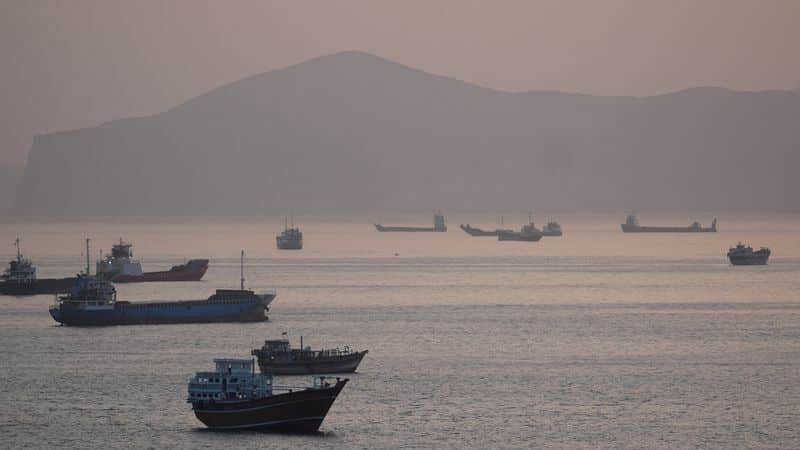
Iran attacks ships Hormuz escalated sharply on Monday, after Donald Trump ordered a U.S. naval mission to reopen the critical shipping route, triggering the most serious confrontation since a ceasefire was declared weeks ago.
Iran struck multiple vessels in the Strait of Hormuz and launched drone attacks that set an oil facility ablaze in the United Arab Emirates, signaling a forceful response to Washington’s intervention.
Trump launches ‘Project Freedom’ amid shipping crisis
The escalation followed Trump’s announcement of “Project Freedom,” a U.S.-led operation aimed at escorting stranded commercial ships through the strait.
The initiative marked the first direct use of U.S. naval power to challenge Iran’s blockade of one of the world’s most vital energy corridors.
However, early signs suggested the move had limited success. There was no immediate surge in commercial traffic, and major shipping companies remained cautious amid ongoing risks.
Iran responds with strikes and warnings
Iranian forces targeted ships inside the strait and expanded attacks beyond it. A South Korean cargo vessel was reportedly hit by an explosion, while an Emirati tanker was struck by drones near the port of Fujairah.
Tehran also claimed it had fired warning shots at a U.S. warship approaching the strait, forcing it to retreat — a claim Washington disputed.
At the same time, Iranian authorities released maps asserting control over wider maritime zones, including parts of international waters near Gulf coastlines.
Conflicting accounts over naval operations
The U.S. military said two American-flagged vessels had safely crossed the strait with naval support. Iran denied that any such transit had occurred.
U.S. Central Command added that American warships were actively assisting merchant traffic and had destroyed several small Iranian boats. Tehran rejected those claims.
The conflicting narratives underscored the uncertainty on the ground — and at sea — as both sides attempt to control the strategic chokepoint.
Strait remains largely closed
Despite the new operation, the strait remains effectively blocked. Before the war, the passage handled roughly 20% of global oil and gas shipments, making it one of the most critical routes in the world.
Shipping companies signaled they would likely avoid the area until a broader agreement guarantees safe passage.
Iran reiterated that all vessel movement must be coordinated with its forces, warning that foreign military presence would be treated as hostile.
Oil prices jump as tensions rise
Markets reacted swiftly to the escalation. Oil prices surged more than 5% amid fears of prolonged disruption to global supply.
The situation adds pressure on the global economy, already strained by energy volatility and supply chain instability tied to the conflict.
Diplomatic efforts stall
The military escalation comes as diplomatic efforts remain fragile. While a ceasefire has held for weeks, negotiations toward a broader agreement have stalled.
Iran has proposed delaying discussions on its nuclear program until after resolving the shipping crisis. Trump has signaled he is unlikely to accept that approach.
Iran’s latest attacks mark a turning point in the conflict, raising the risk of wider regional escalation. With the Strait of Hormuz still blocked and military tensions rising, the path to de-escalation remains uncertain — and the global economic impact continues to grow.
Author: Staff Writer | Edited for WTFwire.com | SOURCE: Reuters
: 325