Trump faces growing pressure as Iran war enters uncertain stalemate

President Donald Trump is facing increasing pressure from both allies and critics as the conflict with Iran remains stuck in a fragile stalemate, raising concerns about its political and economic consequences ahead of the 2026 midterm elections.
Nearly a week after U.S. and Iranian negotiators reached a tentative agreement to extend the ceasefire for another 60 days and restart talks on Iran’s nuclear program, progress has stalled. Trump has reportedly sought changes to the proposed arrangement, while Iranian officials have shown little willingness to accept new demands.
The situation has left Washington navigating a delicate balance between diplomacy and the possibility of renewed military action.
Ceasefire remains fragile
Recent exchanges of strikes between U.S. and Iranian forces have fueled fears that the ceasefire could collapse. Despite the tensions, Trump has sought to minimize concerns.
Speaking at the White House on Wednesday, the president suggested that the sporadic attacks did not necessarily signal the end of the truce and maintained that negotiations were moving forward.
Trump also indicated that a new agreement could potentially emerge within days, though similar predictions in recent months have not resulted in a final settlement.
The conflict began after U.S. and Israeli military operations against Iran in late February and has now stretched into its fourth month.
Concerns grow inside Washington
According to reports citing administration officials, there is growing concern among some advisers that Trump may be running out of favorable options.
On one side, Democratic lawmakers continue to criticize the administration over rising energy costs and the broader economic impact of the conflict. On the other, some conservative voices argue that ending military pressure on Iran too soon could be viewed as a strategic retreat.
Defense officials and regional allies have also reportedly cautioned against a return to large-scale military operations. Concerns include the rapid consumption of U.S. military resources and the risk of further destabilizing the Middle East.
Some estimates suggest that replenishing certain weapons systems used during the conflict could take years.
Strait of Hormuz remains a key concern
One of the central challenges remains the continued disruption of maritime traffic through the Strait of Hormuz, a critical route for global energy supplies.
Without a durable agreement to reopen the strategic waterway, oil prices have remained elevated, contributing to inflation concerns worldwide.
The economic impact has become increasingly important as voters continue to face higher fuel and transportation costs. Political analysts note that prolonged instability in the region could create additional challenges for Republican candidates in competitive districts ahead of November.
Trump rejects comparisons to the Obama-era nuclear deal
The White House is also attempting to avoid any agreement that resembles the 2015 nuclear deal negotiated during former President Barack Obama’s administration.
Trump withdrew the United States from that agreement during his first term, arguing it failed to permanently prevent Iran from developing nuclear weapons and did not address Tehran’s missile program or support for regional proxy groups.
According to reports, Trump has expressed concern about accepting a deal that could be portrayed as weaker than the agreement he previously criticized.
White House officials have rejected suggestions that the president is boxed in by the current situation and insist that negotiations remain under control.
Lebanon ceasefire offers limited relief
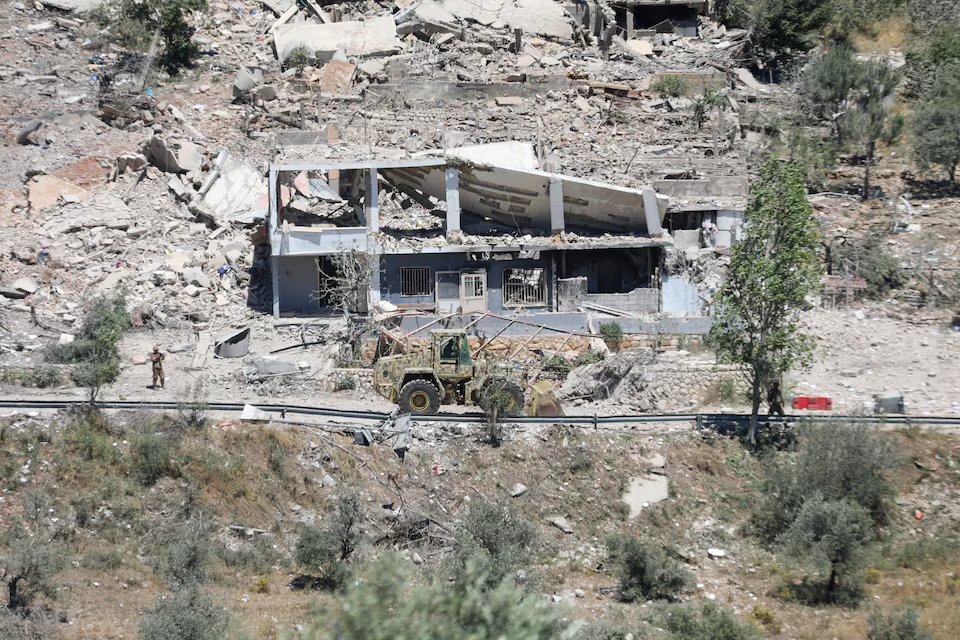
In a related development, Trump reportedly pressured Israeli Prime Minister Benjamin Netanyahu to avoid escalating military operations in Lebanon.
Israel and Lebanon announced a renewed ceasefire this week, although Hezbollah was not directly involved in the negotiations.
The move helped ease immediate fears of a broader regional escalation, but analysts note that tensions across the Middle East remain high and could quickly reignite.
Political stakes rise before midterms
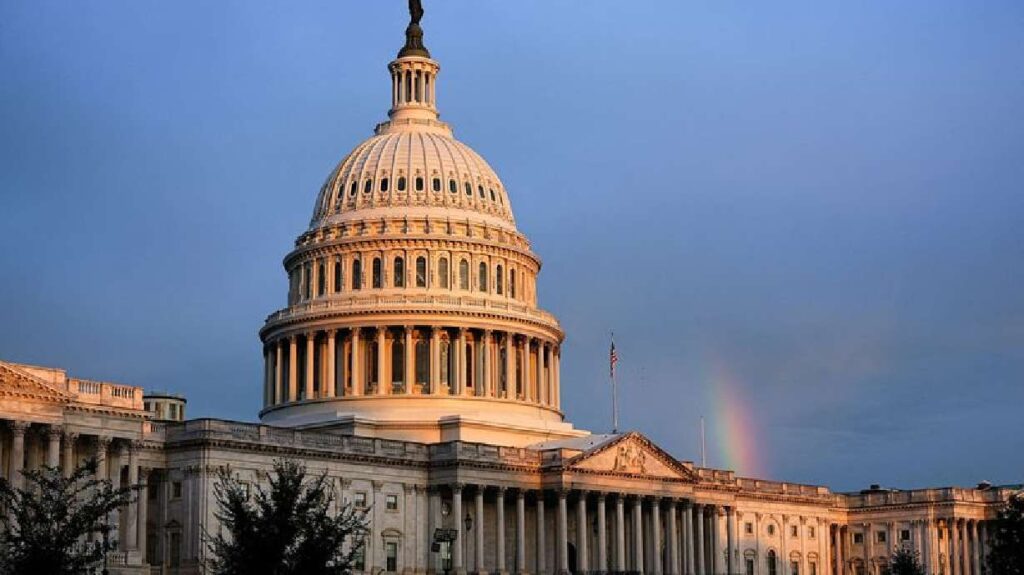
Democrats are increasingly using the conflict as a political issue, arguing that the administration underestimated both the economic costs and Iran’s ability to resist U.S. pressure.
During congressional hearings this week, Democratic lawmakers questioned Secretary of State Marco Rubio about the administration’s strategy and the lack of a permanent resolution.
Republicans, meanwhile, continue to argue that Iran has suffered significant military and economic setbacks and that pressure on Tehran remains effective.
Political observers warn that a prolonged stalemate may prove difficult for the White House. While a renewed military campaign carries risks, an unresolved conflict could keep energy prices elevated and maintain economic uncertainty throughout the election season.
As negotiations continue, the administration faces increasing pressure to produce a diplomatic breakthrough while avoiding a wider regional conflict that could further strain both U.S. resources and voter confidence.
: 18